Mining equipment finance lets you buy the machine now and pay for it over time, so your cash stays available for wages, fuel and the unexpected. If you are a tradie eyeing off a bigger machine for mine site work, this is worth understanding before you sign anything.
What Is Mining Equipment Finance?
Mining equipment finance is a loan or lease used to buy machinery for mining-related work, with the equipment usually acting as security for the loan. You get the machine working for you straight away, and you repay it over an agreed term.
For a tradie, this could mean an excavator, a grader, a crane or a forklift for site work. Lenders who specialise in heavy equipment often look closely at the machine itself, its age and its resale value. They also look at your business income and how steady your work is.
Our equipment finance page covers the main loan types, and our plant and machinery finance page goes deeper on heavy gear.
Which Mining Machines Can You Finance?
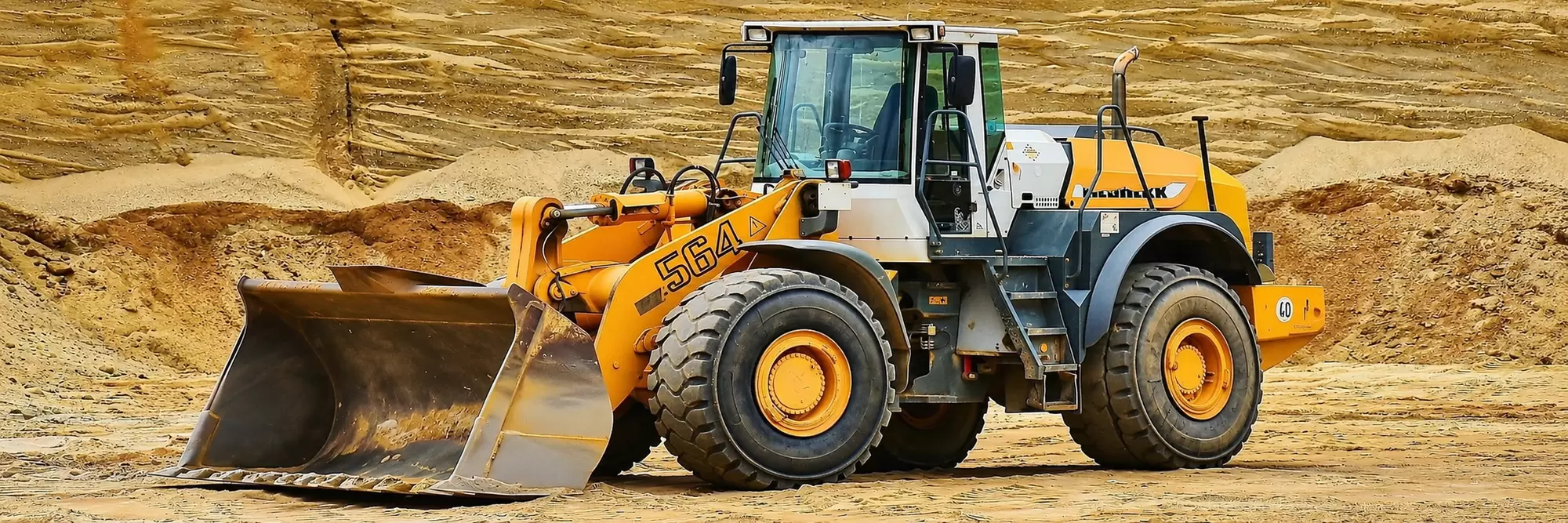
Most commercial lenders will consider excavators, graders, cranes, forklifts and similar plant, whether new or used. What they will fund depends on the lender, the age of the machine and the purpose you will use it for.
Excavator finance and crane finance tend to be common requests from tradies stepping into larger jobs. Older machines or unusual models can mean a bigger deposit, a shorter term or a different lender. It pays to know the make, model and age before you start the conversation.
How Do Repayments Work on Plant and Equipment Loans?
Repayments on plant and equipment loans are usually fixed amounts over a set term, and they depend on the loan amount, term, rate and any balloon. A balloon lowers your regular repayments but leaves a lump sum due at the end.
As an illustration only, using an example rate of 7.5% p.a., a $100,000 loan over five years with no balloon would cost about $2,004 a month. That rate is an example and not an offer. Your actual rate will depend on your deposit, your business history, the machine, your credit history etc.
The trade-off with longer terms or balloons is that you usually pay more interest overall. You can test different numbers with our asset repayment calculator.
Ready to get started?
Book a chat with a Finance Broker at Tru Asset Finance today.
Can You Get a Loan Without Full Financials?
Sometimes you can. Some lenders offer low doc options for self-employed people who do not have recent tax returns or full financials ready.
These loans can suit tradies whose paperwork is behind or whose income is lumpy. The trade-off is that low doc loans often come with a higher rate or a larger deposit than full doc loans. Our low doc loans page explains how this works.
A Scenario: Taking On a Mine Site Contract
Consider a tradie who wins a contract that needs a larger excavator than the one they own. Buying outright would use most of their cash, leaving little for wages and fuel while waiting on invoices to be paid.
In a scenario like this, they might finance the machine over five years with a modest deposit. At the illustrative 7.5% p.a., a $100,000 loan would cost about $2,004 a month. The contract income covers that repayment, and the cash they kept handles the day-to-day costs.
The outcome is a working machine and steady cash flow. The cost is interest paid over the term, and the repayment is due each month even if work slows. That is why it helps to check the repayment against your quietest month and not only your busiest.
Should You Buy or Hire Mining Equipment?
Buying suits you when you expect steady work for the machine, and hiring suits short or uncertain jobs. Buying gives you an asset, while hiring avoids repayments, maintenance and storage.
If the machine would sit idle between jobs, the repayments still keep coming. The right choice depends on how often you would use the machine and the total cost. Compare the full cost of owning it (repayments, interest, fees, insurance, maintenance and depreciation) with hire rates. Work out how many weeks a year you would really use it.
How Does Buying Equipment Affect Your Tax?
Buying equipment for business may affect your tax, but the outcome depends on your situation. Please speak with your accountant before you buy, because the rules for deductions and depreciation can change and apply differently to each business.
Your accountant can tell you how the purchase, interest and any lease structure fit your business. We can then help you set up the finance to suit that advice. If cash flow is tight in the meantime, our cashflow solutions page may help.
What Should You Have Ready Before You Apply?
Have a clear picture of the machine, the work it will win and how you will cover the repayments. A lender wants to see that the numbers add up and that the machine suits your business.
A broker can compare lenders for you and match the machine to a lender who understands heavy equipment. That saves you from knocking on doors and having several credit enquiries land on your file.
Call one of our team or book an appointment at a time that works for you, and we will talk through your machine, your work and your options. You can also book an appointment online.