
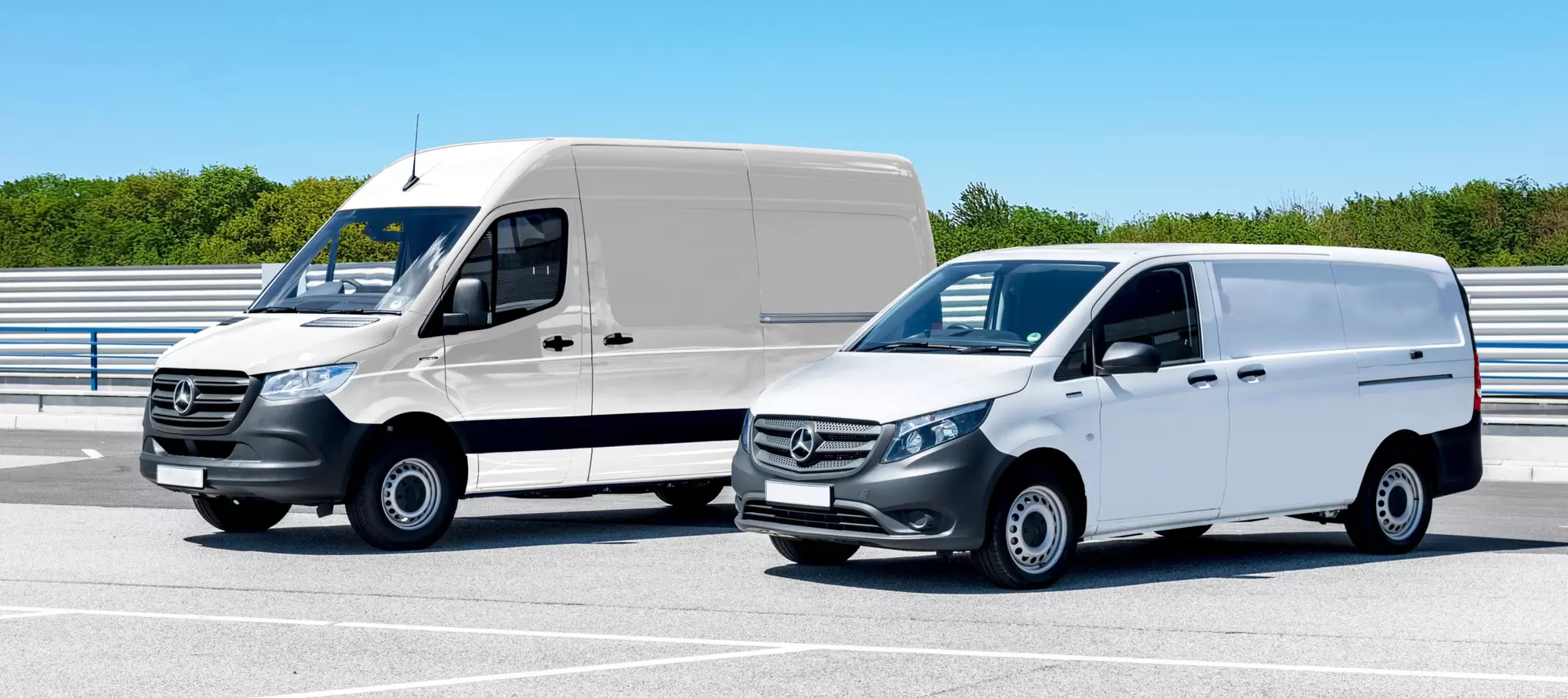
Financing a work vehicle means you can get on the road without emptying your bank account, and depending on the structure you choose, you may claim the interest, depreciation, and running costs against your business income.
Chattel Mortgage: Ownership From Day One
A chattel mortgage lets you own the vehicle from the start while the lender holds security over it until the loan is paid. You make fixed monthly repayments over the loan term, and the vehicle shows as an asset on your balance sheet. This structure works well if you want to claim depreciation and the full GST upfront, assuming your business is registered.
Consider a carpenter who finances a $55,000 dual cab ute through a chattel mortgage with a 20% balloon payment. They claim the GST back immediately, reduce the taxable income through depreciation, and keep monthly repayments lower thanks to the balloon. At the end of the term, they either pay out the balloon, refinance it, or trade the vehicle in and roll the balloon into the next deal. The downside is that balloon sitting there at the end, which needs planning.
Hire Purchase: No Balloon, Just Steady Repayments
Hire purchase spreads the cost across fixed monthly repayments without a balloon payment at the end. You do not own the vehicle until the final payment is made, but for most practical purposes, it functions like ownership. The interest is tax deductible, and once the loan is paid, the vehicle is yours outright.
This structure suits tradies who prefer to avoid a lump sum at the end and want predictable repayments. The monthly amount will be higher than a chattel mortgage with a balloon, but there is no surprise bill waiting. If you plan to run the vehicle into the ground rather than trade it in every few years, hire purchase removes the refinancing conversation.
Ready to get started?
Book a chat with a Finance Broker at Tru Asset Finance today.
Balloon Payments: Lower Repayments, Future Commitment
A balloon payment is a lump sum due at the end of the loan term, typically between 10% and 50% of the original loan amount. It reduces your monthly repayments, which helps manage cashflow during the loan term. The catch is that you need a plan for when it comes due, whether that is selling or trading the vehicle, refinancing the balloon, or paying it from savings.
In our experience, tradies who upgrade their vehicles regularly prefer balloons because they trade before the balloon is due and roll it into the next finance deal. If you intend to keep the vehicle long term, a balloon just delays the cost rather than reducing it, and refinancing adds interest to the total amount paid.
Tax Benefits: Depreciation and Deductions
When you finance a work vehicle under a chattel mortgage, you can claim depreciation as a tax deduction each year, along with the interest portion of your repayments. If your business is registered for GST, you claim the GST on the purchase price upfront, which reduces the amount you need to finance. Running costs like fuel, insurance, registration, and servicing are also deductible if the vehicle is used for business purposes.
Under hire purchase, you cannot claim depreciation until you own the vehicle, but the interest is still deductible. The GST is claimed progressively with each repayment rather than upfront. The difference in GST treatment and depreciation timing can affect your cashflow in the first year, so the structure you choose should match how your business handles tax and cash.
Preserving Working Capital for Other Expenses
Financing a work vehicle instead of paying cash means you keep funds available for other parts of the business, whether that is materials, wages, equipment, or covering gaps between invoices. A plumber financing a $70,000 van over five years might pay $1,400 per month instead of draining $70,000 from the business account. That capital stays liquid and available for the daily costs of running a trade business.
The trade-off is that you pay interest over the loan term, which adds to the total cost. Depending on the interest rate and loan structure, that might add several thousand dollars over five years. The decision comes down to whether the cost of finance is worth the flexibility of keeping cash in the business.
Fixed Monthly Repayments: Budgeting Without Surprises
Most commercial vehicle finance is structured with a fixed interest rate, which means your repayments stay the same for the life of the loan. You know exactly what is going out each month, which makes budgeting straightforward. Variable rates exist but are less common in asset finance for vehicles.
This certainty helps when you are planning cashflow, especially if your income fluctuates seasonally or between projects. The downside is that if interest rates drop, you do not benefit unless you refinance, and that usually involves a payout fee.
Refinancing or Trading In Before the Loan Ends
You can trade in or sell a financed vehicle before the loan term ends, but you will need to pay out the remaining balance first. If the vehicle is worth more than the payout figure, the difference can go toward the next purchase. If it is worth less, you will need to cover the gap or roll it into the next loan, which increases what you are financing.
Tradies who upgrade regularly often structure loans with shorter terms or higher balloons so they can trade before the vehicle depreciates too far. If you are planning to refinance your existing vehicle loan, check the payout figure with your current lender and compare it to the trade-in value before committing to a new deal.
Dealer Finance Versus Broker Finance
Dealer finance is arranged at the point of sale, often with a panel of lenders the dealer works with. It is quick, but the rate and structure may not be the most suitable for your situation. Broker finance involves an asset finance broker comparing options across multiple lenders to find a structure and rate that fits your business needs.
A broker can also structure the loan to align with your tax position, cashflow, and how you plan to use the vehicle. If you are buying commercial vehicle finance for the first time or adding another vehicle to your fleet, a broker can explain the difference between chattel mortgage, hire purchase, and lease options without the sales pressure.
Call one of our team or book an appointment at a time that works for you to talk through the finance options for your next work vehicle and get a structure that suits your business.