What Asset Finance Covers for Restaurant Fitouts
Asset finance for restaurant fitouts typically covers commercial kitchen equipment, refrigeration units, cooking appliances, ventilation systems, point-of-sale technology, furniture, and bar equipment. Most lenders structure these arrangements so you can include multiple items under one facility rather than splitting each purchase.
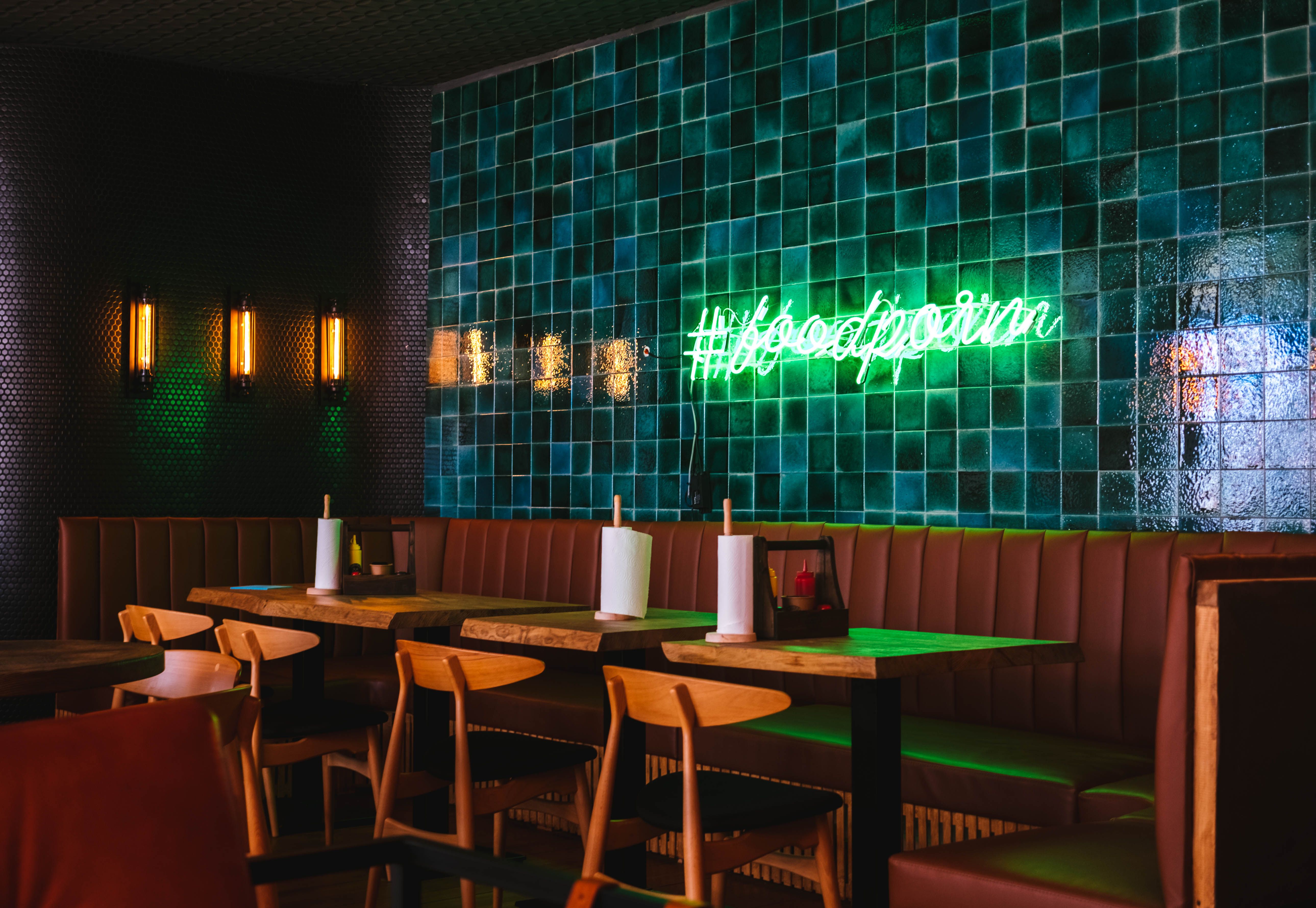
Consider a tradie who's opening a burger joint in a converted warehouse. The fitout includes a commercial deep fryer, char grill, dual-door cool room, extraction system, stainless benches, and seating for 40. The total package comes to $85,000. Rather than paying upfront, a chattel mortgage lets them borrow the full amount, claim GST credits immediately, and spread repayments over five years at a fixed monthly rate. The equipment itself serves as collateral, which keeps the interest rate lower than an unsecured business loan.
This structure works because the lender knows they can repossess tangible assets if repayments stop. That security gives you access to larger loan amounts than most personal loans or overdrafts would allow, often up to 100% of the equipment value plus installation costs.
How Chattel Mortgages Work for Commercial Kitchens
A chattel mortgage is a secured loan where you own the equipment from day one but the lender holds a registered interest over it until the loan is repaid. You claim depreciation and GST credits through your business, then make fixed monthly repayments that include both principal and interest.
In our warehouse burger joint scenario, the $85,000 loan might involve $1,600 monthly repayments over 60 months with a 20% balloon payment at the end. That balloon payment reduces the monthly cost, which helps with cashflow during the first few years when the business is still building momentum. At the end of the term, you either pay the balloon amount outright, refinance it, or sell the equipment and use those proceeds to clear the debt.
The tax benefits come through two channels. First, you claim the GST input credit when you purchase the equipment, which returns $7,727 to the business within the first BAS cycle. Second, you depreciate the asset value each year according to ATO rates, which reduces your taxable income. For commercial kitchen equipment, the depreciation rate is typically 20% per year using the diminishing value method.
Hire Purchase vs Chattel Mortgage for Hospitality Equipment
Hire purchase agreements differ because you don't technically own the equipment until the final payment is made. The lender owns it throughout the loan term, and ownership transfers only when you've paid every instalment. This affects how you claim depreciation and whether you can sell or modify the equipment during the agreement.
For tradies who prefer certainty and want to avoid balloon payments, hire purchase offers fixed repayments with no lump sum at the end. You still claim depreciation, but only the interest portion of each repayment is tax-deductible, not the principal. The monthly cost is usually higher than a chattel mortgage with a balloon, but there's no refinancing required at term end.
Ready to get started?
Book a chat with a Finance Broker at Tru Asset Finance today.
A commercial vehicle finance structure follows similar principles if your fitout includes a food truck or delivery van. The collateral is mobile rather than fixed, but the loan mechanics remain the same: secured borrowing, fixed repayments, and full tax deductions on the interest component.
Structuring Loans for New Builds vs Existing Venues
Financing a fitout in a new venue often requires splitting the arrangement. Asset finance covers the movable equipment like ovens, fridges, and furniture, while construction finance or a business loan covers fixed improvements like plumbing, electrical work, and structural changes. Lenders won't typically finance renovations under an equipment finance agreement because those improvements can't be repossessed.
If you're refitting an existing cafe and replacing worn-out equipment, the process is more straightforward. You itemise what needs upgrading, get quotes from suppliers, and apply for finance based on those invoices. Lenders usually settle directly with the vendor, which means you don't need to front the cash and wait for reimbursement.
Some suppliers offer dealer finance, where they arrange funding as part of the sale. That convenience comes at a cost: the interest rate is often higher than what you'd get by approaching a asset finance broker who can compare options from multiple lenders. Vendor finance also locks you into that specific supplier, which removes negotiating power on price.
How Balloon Payments Affect Cashflow During Startup
Balloon payments reduce your monthly commitment by deferring part of the principal to the end of the loan term. A 30% balloon on an $80,000 loan means you're only repaying $56,000 over five years through monthly instalments, with the remaining $24,000 due at maturity.
For a tradie opening a pizza bar, this structure might mean $1,300 per month instead of $1,650. That extra $350 stays in the business each month during the critical first two years when revenue is still building. The trade-off is refinancing risk: if your business hasn't grown as planned or lending conditions tighten, you might struggle to refinance that balloon when it matures.
One approach is to park surplus cash in an offset account linked to the loan. If your lender allows it, the balance in that account reduces the interest charged each month, which speeds up the principal repayment without formally increasing your monthly commitment. Not all asset finance products include this feature, so check before signing.
Tax Deductions and Depreciation for Restaurant Equipment
Commercial kitchen equipment depreciates quickly, which creates substantial tax deductions in the early years. A $60,000 cool room and prep station might generate $12,000 in depreciation deductions in year one using the diminishing value method, which reduces taxable income by that amount.
Under a chattel mortgage, you also deduct the full interest component of each repayment. If your monthly repayment is $1,400 and $600 of that is interest in the first year, you're deducting $7,200 annually just from the loan cost. Combined with depreciation, the total tax benefit in year one could exceed $19,000, which lowers your tax bill by around $5,700 at a 30% company rate.
Low doc equipment finance options exist for tradies who've recently started their business and don't yet have two years of financials. These arrangements rely more on your ABN, BAS statements, and the strength of the equipment as collateral. The interest rate is usually higher, but it opens up funding when traditional lenders would decline the application.
When Leasing Makes More Sense Than Buying
Operating leases suit businesses that want to upgrade equipment every few years without owning it. You make fixed monthly payments, use the equipment, then return it or upgrade at lease end. The lender retains ownership throughout, which means you don't claim depreciation, but the full lease payment is tax-deductible as an operating expense.
This structure works well for technology like point-of-sale systems, which become outdated within three to five years. Leasing lets you swap to the latest model at the end of the term without dealing with disposal or resale. For long-life assets like commercial ovens or refrigeration, ownership through a chattel mortgage or hire purchase usually makes more financial sense.
Finance leases sit between the two. You don't own the equipment, but you claim depreciation and can purchase it at lease end for a nominal residual value. Finance leases are less common in hospitality because they don't offer the same GST treatment as chattel mortgages, but they're worth considering if your accountant advises keeping the asset off your balance sheet.
Applying Without Draining Your Working Capital
Most lenders expect a deposit between 10% and 20% of the equipment value, though some will finance 100% if the equipment is new and your business has solid financials. The larger your deposit, the lower your interest rate and monthly repayment.
If you're fitting out a venue while also covering rent, wages, and stock, preserving cashflow matters more than minimising the interest rate. A 10% deposit on $90,000 of equipment means $9,000 upfront, leaving the rest of your capital available for operating expenses. You'll pay slightly more interest over the loan term, but you avoid the cashflow strain that comes from depleting your reserves before the business opens.
Lenders assess your serviceability by comparing projected revenue against total debt commitments. If you're also repaying a truck and trailer loan or have existing commercial car loans, those repayments reduce how much you can borrow for the fitout. Consolidating your equipment and vehicle finance under one facility can simplify the application and improve your serviceability position.
Call one of our team or book an appointment at a time that works for you. We'll structure the finance around your business needs, compare options from lenders across Australia, and handle the paperwork so you can focus on getting the venue ready to open.
Frequently Asked Questions
What equipment can I finance for a restaurant fitout?
Asset finance typically covers commercial kitchen equipment, refrigeration units, cooking appliances, ventilation systems, point-of-sale technology, furniture, and bar equipment. Most lenders let you bundle multiple items under one facility rather than financing each piece separately.
What is the difference between a chattel mortgage and hire purchase for restaurant equipment?
With a chattel mortgage, you own the equipment immediately and can claim depreciation and GST credits, often with a balloon payment at the end. Hire purchase means the lender owns the equipment until the final payment, with no balloon but typically higher monthly repayments.
How much deposit do I need for restaurant equipment finance?
Most lenders expect a deposit between 10% and 20% of the equipment value, though some will finance 100% if the equipment is new and your business financials are solid. A larger deposit reduces your interest rate and monthly repayment.
Can I claim tax deductions on financed restaurant equipment?
Yes, under a chattel mortgage or hire purchase you claim depreciation on the equipment each year and deduct the interest portion of your repayments. The GST input credit is also available when you purchase the equipment.
Should I lease or buy restaurant equipment?
Buying through a chattel mortgage or hire purchase suits long-life assets like ovens and refrigeration because you build equity and claim depreciation. Leasing works better for technology that becomes outdated quickly, as you can upgrade at lease end without dealing with resale.