Choosing the Right Finance Structure for a Crane Purchase
Chattel mortgage and hire purchase are the two most common structures for crane finance, and the difference comes down to ownership timing and tax treatment. With a chattel mortgage, you own the crane from day one and claim the full GST input credit at settlement, then make regular repayments against the loan. Under hire purchase, the lender owns the crane until your final payment is made, and you claim GST gradually as you pay.
Consider a civil contractor who needs a 20-tonne mobile crane. They structured it as a chattel mortgage with a 20% balloon payment after five years. That meant lower monthly repayments during the contract period, and because they owned the crane from the start, they claimed the full GST credit upfront and included the crane in their depreciation schedule immediately. When the balloon came due, they refinanced it over two more years rather than selling, because the crane still had solid hours left and work was steady.
The balloon payment is not a hidden cost. It is a known amount agreed at the start that reduces your monthly commitment. If your work is project-based or seasonal, a balloon lets you preserve cashflow now and deal with the lump sum later when you have more visibility. You can pay it out, refinance it, or trade the crane and use the sale proceeds to cover the balance.
How Lenders Assess Crane Finance Applications
Lenders look at your ABN history, tax returns, and whether the crane fits your existing operation. If you have been running earthmoving contracts for three years and want to add a crane to expand into high-rise or infrastructure work, that is a logical step. If the crane represents a completely new direction with no operating history, expect more questions about contracts in hand and operator tickets.
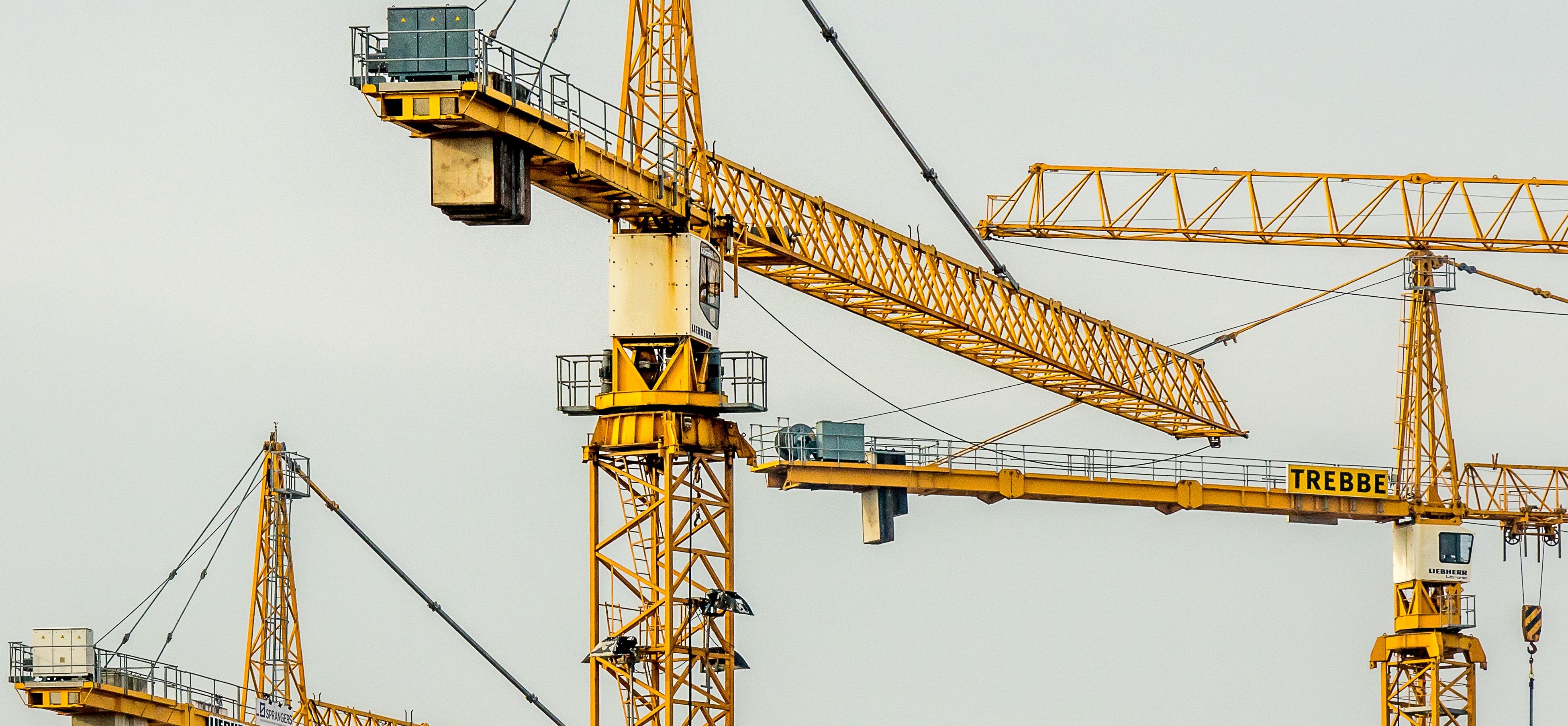
Most lenders want to see at least 12 months of trading history, though some will consider newer businesses if you have a strong contract pipeline or prior industry experience. They also assess the crane itself, particularly age, hours, and resale value. A five-year-old Liebherr or Tadano with service records and low hours will get sharper pricing than a 15-year-old unit with patchy maintenance history.
Deposit requirements typically sit between 10% and 30%, depending on your financials and the crane's profile. If you are refinancing another piece of plant or equipment and using the equity to fund part of the deposit, that can work, but the lender will want to see that the overall debt load is manageable against your revenue.
Ready to get started?
Book a chat with a Finance Broker at Tru Asset Finance today.
Tax Benefits and Depreciation on Crane Purchases
When you finance a crane under a chattel mortgage, you can claim the interest as a business expense and depreciate the crane's value over its effective life. The Australian Taxation Office sets depreciation rates for different plant and machinery finance assets, and cranes generally fall into a category that allows meaningful deductions each year.
If the crane costs less than the instant asset write-off threshold and your business qualifies, you may be able to claim the full amount in the year of purchase. That threshold changes periodically, so check current eligibility before structuring the deal. Even without instant write-off, depreciation spreads the deduction across multiple years and reduces your taxable income steadily.
Under hire purchase, you do not own the crane until the final payment, so depreciation starts after that point. You can still claim the interest and fees as expenses during the finance term, but the upfront tax benefit is smaller compared to a chattel mortgage. For businesses with strong revenue and a need to manage tax now, chattel mortgage usually delivers more value.
Balancing Loan Term and Balloon Payments
A longer loan term reduces your monthly repayment but increases the total interest paid. A shorter term does the opposite. The decision depends on how predictable your revenue is and whether the crane will generate income consistently or in bursts tied to specific projects.
In practice, most crane finance runs between three and seven years. If the crane is part of your core fleet and will work year-round, a five-year term with no balloon keeps the structure straightforward. If the crane is for a specific contract or will be cycled out as technology improves, a three-year term with a 30% balloon gives you an exit point without locking in long-term debt.
Balloon payments also align with commercial vehicle finance structures used for trucks and trailers, where operators want flexibility to upgrade or offload assets as contracts change. The key is matching the finance term to the working life you expect from the crane, not just picking the lowest monthly figure.
Vendor Finance and Dealer Arrangements
Some crane dealers offer their own finance through partnerships with specific lenders. These arrangements can be convenient because the paperwork happens at the point of sale, but the rates are not always the most competitive. Dealer finance often includes margin for the seller, and you may not see the full range of asset finance options available across the market.
Going through a broker lets you compare offers from multiple lenders, including banks and specialist equipment financiers. That competition usually results in sharper rates and more flexibility around loan structure, deposit, and balloon terms. It also means you are not locked into one lender's credit criteria. If your business has had a slower year or you are outside the standard ABN trading timeframe, a broker can position your application with a lender more suited to your profile.
Vendor finance can still make sense if the dealer is offering a subsidised rate as part of a promotion or if you are buying a used crane where the seller is motivated to move stock quickly. Just make sure you are comparing the effective rate and total cost, not just the monthly repayment.
Financing Used Cranes vs New Cranes
New cranes come with warranty coverage, known service history, and the latest compliance features, but they also carry a higher purchase price and faster depreciation in the first few years. Used cranes cost less upfront and can deliver the same lifting capacity, but lenders price the risk differently depending on age and condition.
Most lenders will finance cranes up to 15 years old, though anything over 10 years may require a larger deposit or attract a higher interest rate. The crane's hours, maintenance records, and current compliance certificates all factor into the approval. If you are buying used, get an independent inspection before you commit. Lenders often require this anyway, and it protects you from inheriting expensive mechanical issues.
For businesses that need equipment finance but want to keep the loan amount lower, a well-maintained used crane with solid hours and recent tickets can be financed on similar terms to new gear, particularly if you have a strong trading history and a deposit ready.
Managing Cashflow During the Crane's Working Life
Once the crane is operating, the finance repayment becomes a fixed cost alongside insurance, servicing, and operator wages. The benefit of fixed monthly repayments is predictability. You know what is going out each month, and you can price your contracts accordingly.
If your work is lumpy or tied to specific industries like construction or mining, consider how the repayment schedule aligns with your invoice cycle. Some lenders offer structured repayments that pause or adjust seasonally, though this is less common for commercial equipment finance than it is for agricultural gear. If that flexibility matters, raise it during the application.
Maintaining strong cashflow also means planning for the balloon payment well before it is due. If you know you will refinance, start that conversation six months out so you are not scrambling at the end of the term. If you plan to sell, track the crane's market value and resale demand as the balloon date approaches.
Call one of our team or book an appointment at a time that works for you. We will walk through your crane purchase, compare finance structures across lenders, and make sure the loan fits your operation and cashflow.
Frequently Asked Questions
What is the difference between chattel mortgage and hire purchase for crane finance?
With a chattel mortgage, you own the crane from day one and claim the full GST input credit at settlement, then make repayments against the loan. Under hire purchase, the lender owns the crane until the final payment is made, and you claim GST gradually as you pay.
How much deposit do I need to finance a crane?
Deposit requirements typically sit between 10% and 30%, depending on your financial position and the crane's age, hours, and resale value. A newer crane with strong service records may require a lower deposit than an older unit.
Can I claim tax deductions on a financed crane?
Yes. Under a chattel mortgage, you can claim the interest as a business expense and depreciate the crane's value over its effective life. If the crane qualifies for instant asset write-off, you may be able to claim the full amount in the year of purchase.
What is a balloon payment and how does it work?
A balloon payment is a lump sum due at the end of your finance term that reduces your monthly repayments during the loan. You can pay it out, refinance it, or sell the crane and use the proceeds to cover the balance.
Will lenders finance used cranes?
Most lenders will finance cranes up to 15 years old, though anything over 10 years may require a larger deposit or attract a higher interest rate. The crane's hours, maintenance records, and compliance certificates all influence approval.