Purchasing Medical Equipment Without Draining Your Cash Reserves
Medical equipment represents one of the largest capital commitments in healthcare practice, yet most clinics and surgeries need to preserve cash for staffing, rent, and day-to-day operations. Equipment finance lets you acquire diagnostic imaging, treatment systems, and surgical tools while spreading the cost across fixed monthly repayments, keeping your working capital available for operational expenses.
A Melbourne-based radiology practice recently needed to replace an ageing ultrasound system. The new unit cost $85,000, and the practice had the cash available but would have left them vulnerable if patient volumes dropped or unexpected repairs arose. Through a chattel mortgage arrangement, they financed the equipment with a 20% deposit and structured repayments over five years. The monthly cost was absorbed into their billing rhythm, and they retained $68,000 in their operating account for locum cover, insurance, and payroll continuity.
What Medical Equipment Can Be Financed
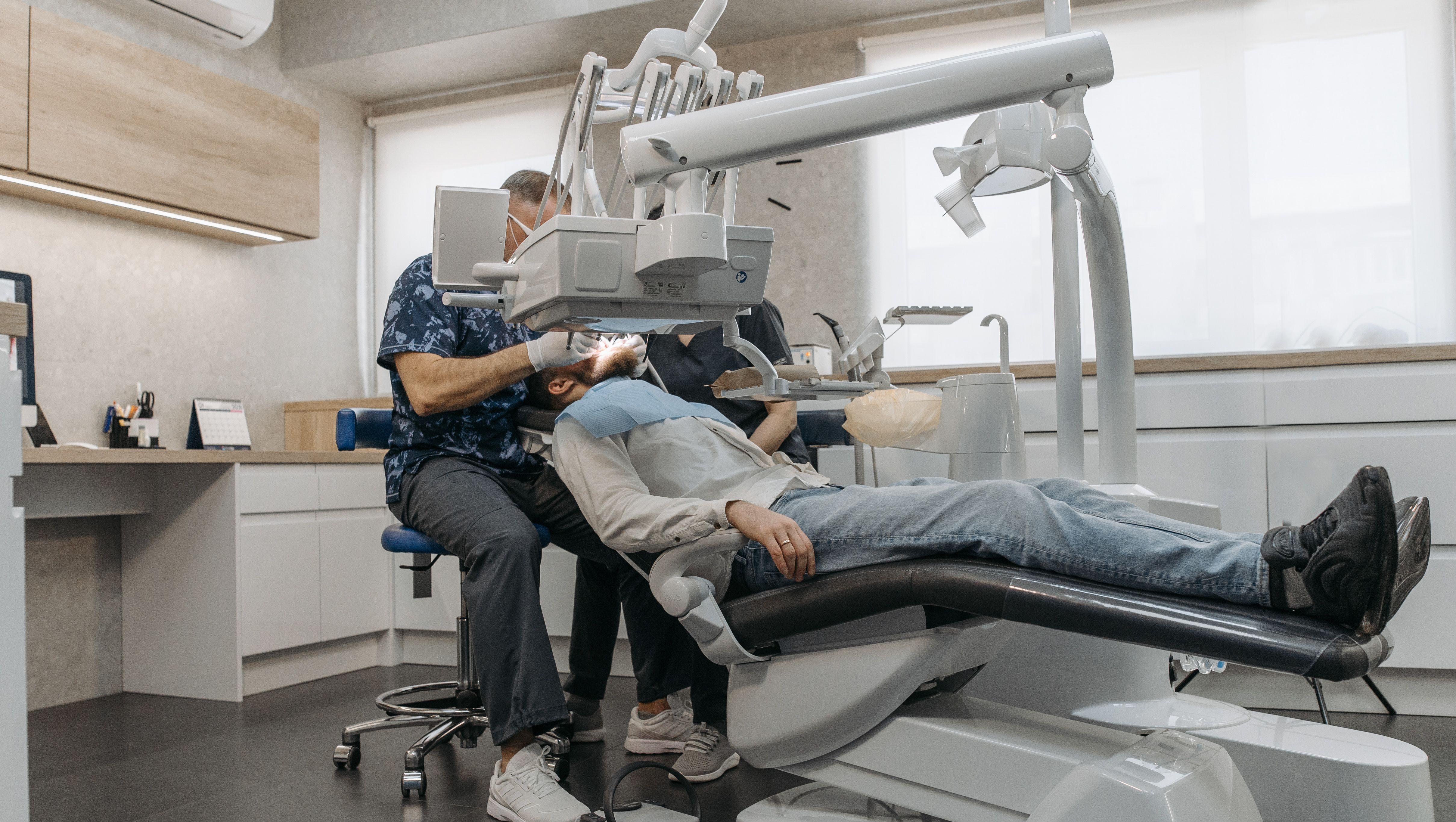
Most medical and diagnostic equipment qualifies for equipment finance, including imaging systems like MRI and CT scanners, ultrasound machines, X-ray units, dental chairs, surgical instruments, sterilisation equipment, patient monitoring systems, and practice fit-outs. If the equipment is used primarily for business purposes and retains resale value, it can usually be financed. IT equipment such as practice management software servers, patient record systems, and computer hardware also qualify under IT equipment finance structures.
Lenders assess medical equipment based on its functional lifespan and resale potential. Equipment with strong secondary markets, like ultrasound systems or dental chairs, typically attracts more favourable terms. Highly specialised or custom-fit equipment may require a larger deposit or shorter loan term, as it holds less collateral value if repossession becomes necessary.
How Chattel Mortgages Work for Medical Practices
A chattel mortgage allows you to own the equipment from day one while using it as collateral for the loan. You take title at purchase, which means depreciation and interest are both tax deductible, and any GST paid on the equipment can usually be claimed back in your next Business Activity Statement. At the end of the loan term, there is no residual payment or balloon, the equipment is yours outright and the loan is discharged.
This structure works particularly well for medical equipment that you plan to use for the long term. A dental practice in Geelong financed $120,000 worth of chairs, compressors, and imaging equipment through a chattel mortgage. They claimed the GST upfront, deducted depreciation annually, and paid down the loan over six years. The tax deductions reduced their effective cost, and because they owned the equipment from the start, they could modify and integrate it into their systems without lender approval.
Ready to get started?
Book a chat with a Finance Broker at Tru Asset Finance today.
Hire Purchase as an Alternative for High-Turnover Equipment
Hire purchase differs from a chattel mortgage in that you do not own the equipment until the final payment is made. The lender holds title throughout the life of the lease, and you take ownership once the loan is fully repaid. This structure is often used when the equipment will be upgraded or replaced within a few years, such as computers, practice software, or portable diagnostic devices.
Because the lender retains ownership, hire purchase agreements sometimes allow for lower deposits and can accommodate newer practices with shorter trading histories. Repayments remain fixed, and the equipment is still considered a business asset for tax purposes. At the end of the term, ownership transfers automatically with no balloon or residual to settle.
Structuring Repayments Around Your Practice Cashflow
Medical practices typically experience predictable billing cycles, especially those working with Medicare, private health insurers, or corporate contracts. Cashflow solutions can align your repayment schedule with these cycles, so loan repayments fall when revenue is strongest. Fixed monthly repayments make budgeting straightforward, and you can structure the loan term to match the expected working life of the equipment.
Longer loan terms lower the monthly repayment but increase total interest paid. Shorter terms mean higher repayments but less interest overall. A regional Victorian GP clinic financed $60,000 in diagnostic equipment over four years rather than seven. The monthly repayment was higher, but the interest saving was significant, and the equipment was fully paid off while still under manufacturer warranty, giving them the option to sell or trade it in while it held strong resale value.
Tax Deductibility and Depreciation for Medical Equipment
Medical equipment used for business purposes is generally tax deductible, either through depreciation over the asset's effective life or under instant asset write-off provisions if the equipment falls below the threshold and your practice qualifies. Interest payments on the loan are also deductible as a business expense. These deductions reduce the net cost of the equipment and improve your practice's tax position.
Your accountant can advise on whether to depreciate the equipment over time or apply an accelerated write-off. The structure you choose, whether chattel mortgage or hire purchase, will affect how and when you claim deductions, so it's worth discussing your options before signing any agreement.
Deposit Requirements and Approval Criteria
Most lenders require a deposit between 10% and 30% of the equipment cost, depending on the type of equipment, your trading history, and your credit profile. Established practices with strong financials may access lower deposit options, while newer clinics or those purchasing highly specialised equipment may need to contribute more upfront. Lenders also assess your turnover, profit margins, existing debt, and how long the practice has been operating.
If you're upgrading existing equipment or purchasing additional units for an established practice, approval is generally quicker. If you're setting up a new clinic or expanding into a new location, lenders may request projected revenue, lease agreements, and evidence of contracts or patient lists. Documentation typically includes recent tax returns, BAS statements, and a quote or invoice for the equipment being financed.
Financing IT and Office Equipment Alongside Medical Devices
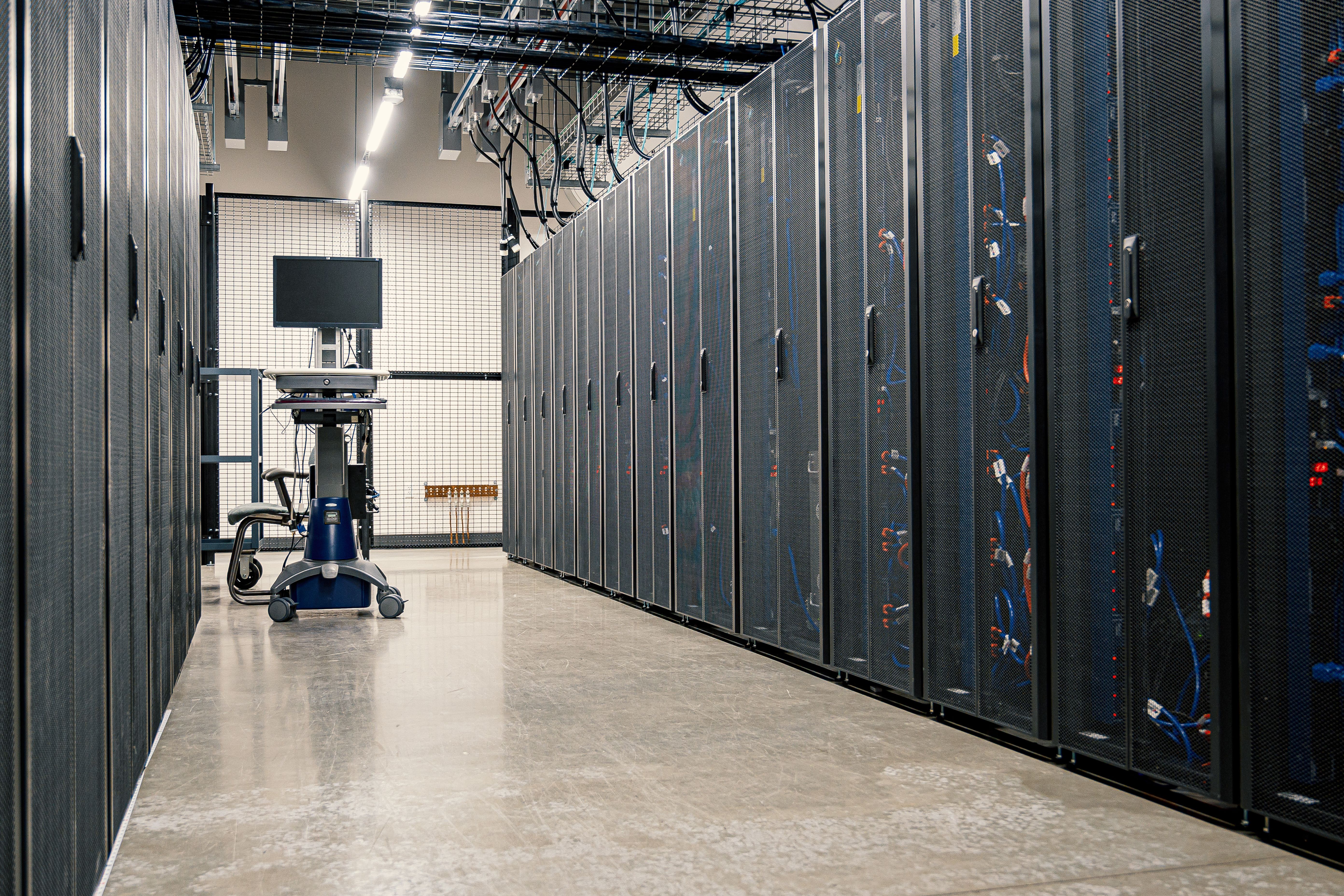
Many medical practices need to finance office equipment such as computers, servers, phone systems, and reception furniture at the same time as clinical equipment. These items can be bundled into a single finance agreement, spreading the cost of your entire fit-out across one set of fixed monthly repayments. This approach reduces administration and gives you a single point of contact for all your equipment funding.
Bundling also allows you to match the loan term to the shortest-lived asset. If you're financing a $100,000 ultrasound alongside $20,000 in computers, you might structure the loan over four years to align with the expected replacement cycle of the IT equipment, rather than extending it to seven years and carrying debt on obsolete hardware.
When to Consider Refinancing Existing Equipment Loans
If you financed equipment several years ago and interest rates have since moved in your favour, or if your practice's financial position has strengthened, refinancing may reduce your repayments or shorten your loan term. Refinancing can also release equity in paid-down equipment, allowing you to fund additional purchases without starting a new loan from scratch. Some practices refinance to consolidate multiple equipment loans into a single monthly repayment, reducing administration and improving cashflow.
Refinancing works when the benefit outweighs any exit fees, discharge costs, or application fees on the new loan. If you're approaching the end of your loan term, it's usually more practical to let the existing loan run its course rather than refinancing for a small remaining balance.
Call one of our team or book an appointment at a time that works for you. We'll review your equipment needs, discuss your cashflow, and structure a solution that fits your practice without tying up the capital you need to operate.
Frequently Asked Questions
Can I finance medical equipment if my practice is less than two years old?
Yes, though newer practices may need to provide a larger deposit, typically 20% to 30%, and lenders will request projected revenue, lease agreements, and evidence of patient contracts. Established practitioners opening a second location generally receive more favourable terms.
What is the difference between a chattel mortgage and hire purchase for medical equipment?
A chattel mortgage gives you ownership from day one, with the equipment serving as collateral, and both interest and depreciation are tax deductible. Hire purchase means the lender holds title until the final payment, and ownership transfers once the loan is fully repaid.
Can I claim GST on financed medical equipment?
If you're registered for GST and using a chattel mortgage, you can usually claim the GST component in your next Business Activity Statement. Hire purchase structures may handle GST differently, so check with your accountant before proceeding.
How long does approval take for medical equipment finance?
For established practices with clean financials, approval can take 24 to 48 hours. Newer clinics or complex applications may take longer, especially if additional documentation or valuations are required.
Can I bundle IT equipment and office fit-out costs with medical equipment finance?
Yes, most lenders allow you to combine clinical equipment, IT systems, and office furniture into a single agreement. This spreads the cost across one set of repayments and reduces administration.