Getting your hospitality business properly equipped means balancing upfront costs against the cashflow you need to keep operations running.
Whether you're fitting out a new restaurant, upgrading a cafe kitchen, or replacing worn-out commercial appliances, equipment finance lets you spread the cost over time while keeping your working capital available for stock, wages, and the unexpected expenses that come with running a venue.
How Equipment Finance Works for Hospitality Businesses
Equipment finance provides the funds to purchase commercial kitchen equipment, bar setups, coffee machines, refrigeration units, and other assets your venue needs. You take ownership of the equipment from day one, while repaying the loan amount over an agreed term, typically between one and seven years.
The equipment itself acts as security for the loan, which means lenders assess the application based on both your business position and the value of what you're purchasing. Monthly repayments stay consistent when you choose a fixed rate structure, making it easier to manage cashflow alongside rent, staffing, and other fixed costs.
Consider a cafe owner purchasing a $45,000 commercial espresso machine, grinder, and refrigeration setup. With a deposit of 20% and the remaining balance financed over five years, the equipment generates income from the first week while the repayments come from revenue rather than depleting the savings needed for fitout, stock, and initial marketing.
Chattel Mortgage vs Hire Purchase for Hospitality Equipment
A chattel mortgage suits businesses registered for GST. You claim the GST back on the full purchase price upfront, then make repayments on the amount borrowed. The equipment appears on your balance sheet as an asset, and you can claim depreciation as well as the interest portion of repayments as tax deductions.
Hire Purchase works differently. The lender owns the equipment during the life of the lease, and you take ownership once the final payment is made. Repayments include both the cost of the equipment and interest, and the GST is paid across the term rather than upfront. This structure suits businesses not registered for GST or those wanting to keep the equipment off their balance sheet initially.
For a restaurant purchasing $80,000 worth of kitchen equipment under a chattel mortgage, the business claims back the GST component immediately, improving cashflow in the first quarter. The same purchase under Hire Purchase spreads the GST across the loan term, which reduces the upfront cashflow benefit but can work better for businesses with limited cash reserves at settlement.
Ready to get started?
Book a chat with a Finance Broker at Tru Asset Finance today.
What Hospitality Equipment Can You Finance
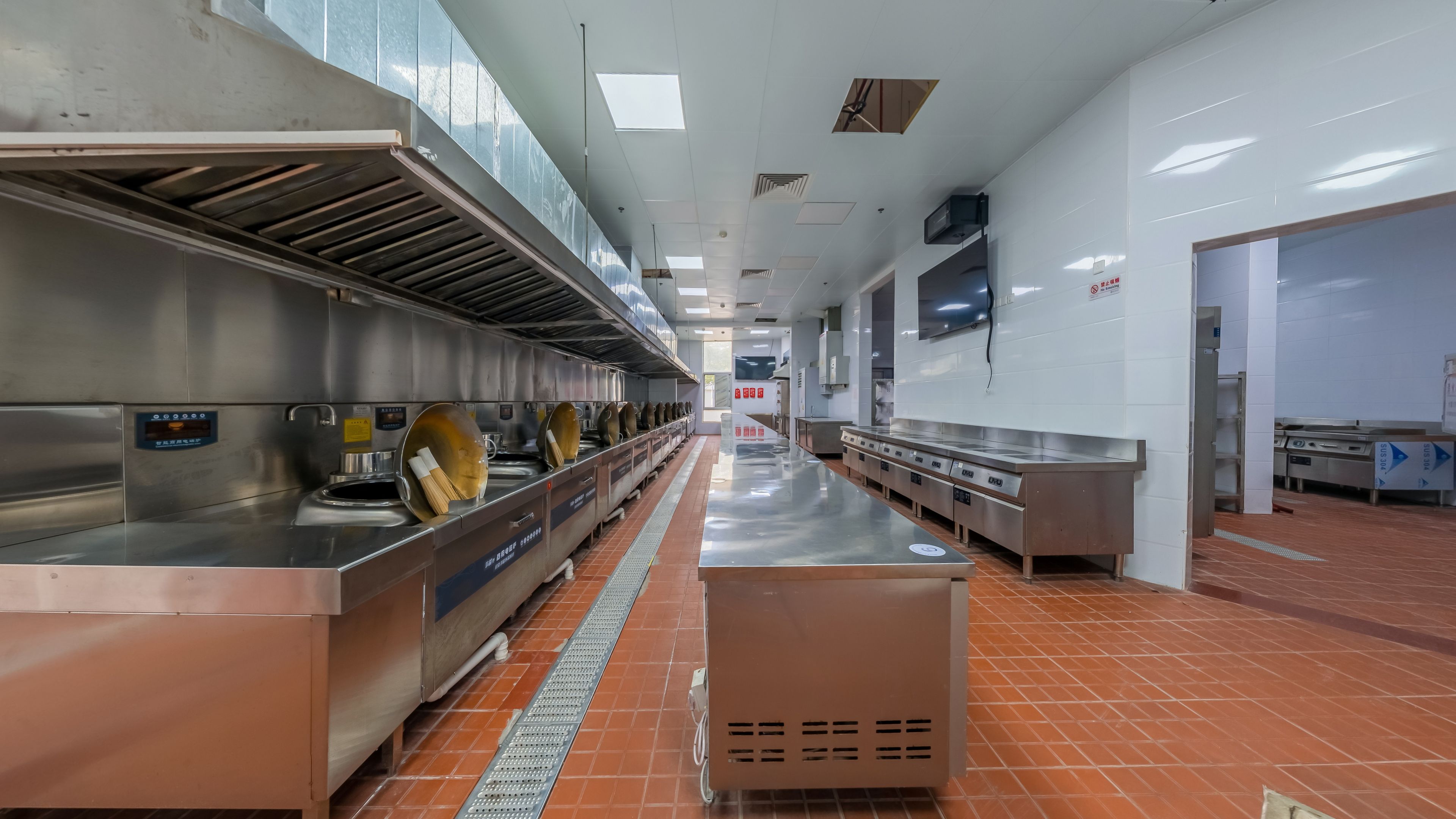
Most income-producing equipment qualifies. Commercial ovens, dishwashers, walk-in coolrooms, coffee machines, bar equipment, point-of-sale systems, and food preparation equipment all fall within standard lending criteria. Lenders also finance furniture and fitout items like tables, chairs, and booth seating when they form part of a larger equipment package.
Specialised items like wood-fired pizza ovens, gelato machines, or brewing equipment are assessed on a case-by-case basis. The key consideration is whether the equipment holds resale value and supports the revenue-generating capacity of the business. Items that depreciate quickly or have limited secondary markets may require a larger deposit or shorter loan term.
IT equipment like booking systems, kitchen display screens, and automated ordering platforms can be included in an equipment finance package, particularly when purchased alongside other commercial equipment. Standalone low doc equipment finance options exist for businesses with shorter trading histories or less conventional income documentation.
Fixed Monthly Repayments and Tax Benefits
Fixed monthly repayments let you budget accurately without worrying about rate movements during the loan term. You know exactly what leaves your account each month, which matters when your revenue fluctuates seasonally or you're managing tight margins during quieter periods.
The tax benefits depend on your finance structure. Under a chattel mortgage, you claim depreciation on the equipment and deduct the interest component of each repayment. For many hospitality businesses, this makes the equipment more tax effective than paying cash upfront, as the deductions spread across multiple financial years.
Under Hire Purchase, the full repayment amount is generally tax deductible, though you cannot claim depreciation during the life of the lease since you don't technically own the equipment until the final payment. Your accountant can model which structure delivers better outcomes based on your business structure, revenue, and tax position.
Deposit Requirements and Loan Terms
Most lenders ask for a deposit between 10% and 30% of the equipment value. The exact requirement depends on the equipment type, the business trading history, and the applicant's credit profile. Established venues with strong financials may secure lower deposit requirements, while newer businesses or those purchasing higher-risk equipment may need to contribute more upfront.
Loan terms align with the useful life of the equipment. A commercial fridge with a 10-year lifespan might be financed over five to seven years, while technology with a shorter replacement cycle could be structured over two to three years. Matching the loan term to the equipment's working life means you're not still paying for an asset that's already been replaced.
Buying new equipment typically attracts better rates and terms than purchasing second-hand items, as the resale value and warranty coverage provide additional security for the lender. That said, quality used equipment from reputable suppliers can still be financed, particularly when the business can demonstrate strong revenue and the equipment has been independently valued.
Accessing Finance When Upgrading Existing Equipment
Upgrading existing equipment follows the same process as purchasing new assets. If your current equipment is unencumbered, meaning no finance is still owing, the application focuses on your business position and the new equipment being purchased.
If you're replacing equipment that still has finance attached, some lenders allow you to refinance the remaining balance into a new loan that covers both the payout and the upgraded equipment. This consolidates your repayments into a single structure and can extend the loan term to keep monthly costs manageable.
In our experience, businesses replacing worn-out equipment after several years of trading often qualify for better rates than they received on the original purchase, particularly if revenue has grown and the business has maintained a clean repayment history. Lenders view this as lower risk compared to a startup fitout.
Managing Cashflow with Commercial Equipment Finance
Preserving working capital matters more in hospitality than in many other industries. Rent, wages, stock, and licensing costs don't pause while you're waiting for weekend trade to pick up, and having cash available to cover those fixed expenses keeps your business operating smoothly.
Financing equipment rather than paying cash means your deposit and working capital remain available for the costs you can't defer. Stock spoils, staff expect to be paid on time, and lease payments are due regardless of how many covers you served last week. Equipment finance turns a large upfront cost into predictable monthly repayments that come from revenue, not reserves.
This becomes particularly relevant when upgrading technology or automation equipment. A $30,000 kitchen display system might improve order accuracy and speed up service, but paying cash depletes the buffer you need for quieter months. Financing the system over three years means the efficiency gains start immediately while your cashflow stays intact.
How to Apply for Hospitality Equipment Finance
Applications require recent business financials, typically the last two years of tax returns or financial statements. Lenders also ask for transaction history from your business bank account, often the most recent three to six months, to assess revenue consistency and existing commitments.
You'll need a quote or invoice for the equipment being purchased, including details of the supplier. This confirms the equipment type, value, and whether it's new or used. If you're purchasing from an overseas supplier, some lenders require additional documentation or may adjust the loan-to-value ratio to account for currency risk or warranty concerns.
Businesses with shorter trading histories may qualify through low doc equipment finance options, which rely more heavily on transaction history and the equipment's security value than on formal financial statements. The rates are typically higher, but the approval process moves faster and requires less paperwork.
Finance Options from Banks and Lenders Across Australia
Access to multiple lenders means you're not limited to a single rate or set of terms. Different lenders have different risk appetites, and what one declines based on trading history, another might approve based on equipment type or deposit size.
Some lenders specialise in hospitality and understand the seasonal cashflow patterns, weekend-heavy revenue, and higher staff turnover that come with running a venue. They're more comfortable with the sector's quirks and may offer more flexibility around trading history or deposit requirements than a generalist lender.
Working with a broker gives you access to that panel of lenders without needing to approach each one individually. The broker assesses your situation, matches it to the lenders most likely to approve on competitive terms, and manages the application process on your behalf. It's particularly useful when your business doesn't fit a standard lending box, such as a newer venue with strong revenue but limited financial history.
Call one of our team or book an appointment at a time that works for you. We'll look at your equipment needs, talk through the finance structures that suit your business, and connect you with lenders who understand hospitality cashflow.
Frequently Asked Questions
What deposit do I need to finance hospitality equipment?
Most lenders require a deposit between 10% and 30% of the equipment value. The exact amount depends on the equipment type, your business trading history, and credit profile. Established venues with strong financials may qualify for lower deposits.
Can I claim tax deductions on financed hospitality equipment?
Yes, the tax treatment depends on your finance structure. Under a chattel mortgage, you claim depreciation and deduct the interest portion of repayments. Under Hire Purchase, the full repayment is generally tax deductible, though you cannot claim depreciation during the lease term.
What types of hospitality equipment can be financed?
Most income-producing equipment qualifies, including commercial ovens, dishwashers, coolrooms, coffee machines, bar equipment, and point-of-sale systems. Specialised items like pizza ovens or brewing equipment are assessed individually based on resale value and revenue support.
How long are loan terms for commercial kitchen equipment?
Loan terms typically range from one to seven years, aligned with the useful life of the equipment. A commercial fridge might be financed over five to seven years, while technology with a shorter replacement cycle could be structured over two to three years.
Can I finance equipment if my hospitality business is new?
Yes, though you may need a larger deposit or access low doc finance options that rely on transaction history rather than formal financial statements. Newer businesses with strong revenue but limited trading history can still qualify, often through specialist hospitality lenders.