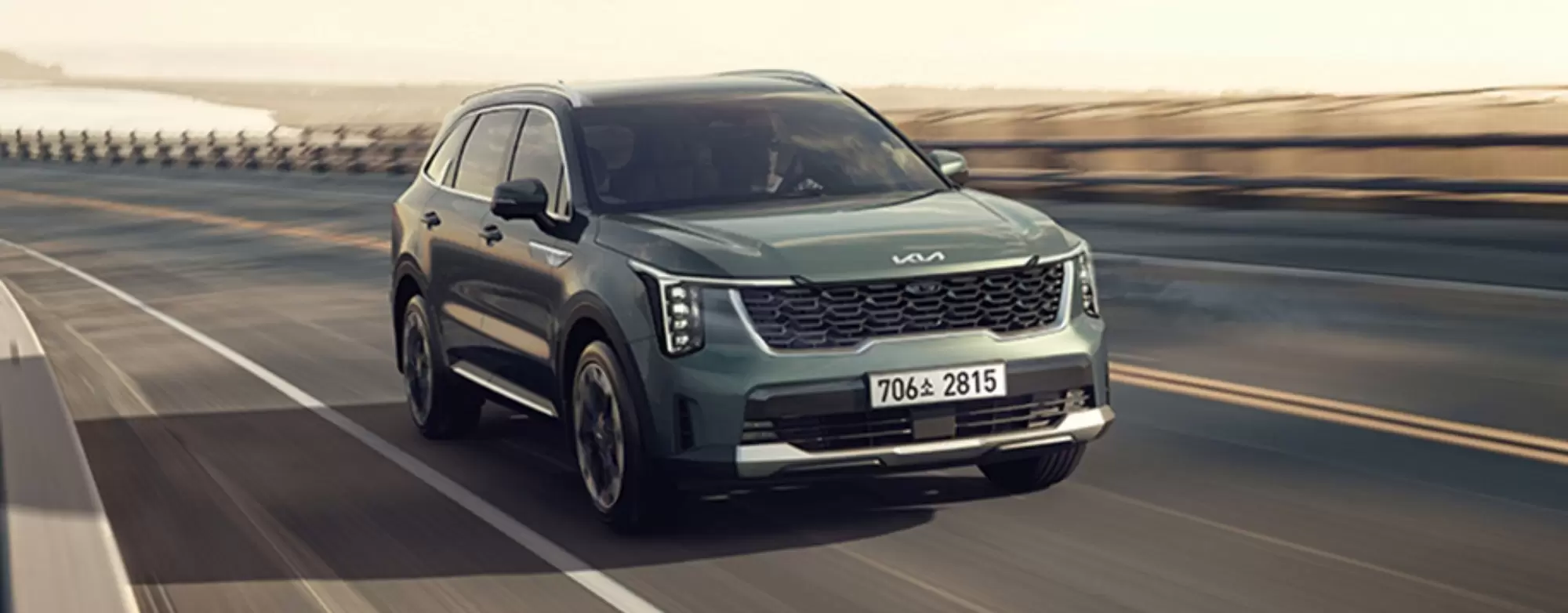

Why Electric Vehicle Finance Works Differently for Business Owners
Electric vehicle financing for business involves different considerations than a standard car loan. The initial purchase price sits higher than comparable petrol models, but running costs drop significantly and tax incentives can change the actual cost of ownership by tens of thousands of dollars.
Consider a business owner looking at a Tesla Model 3 for $70,000 versus a comparable luxury sedan at $55,000. The Tesla costs more upfront, but with the instant asset write-off for eligible businesses and the lack of fringe benefits tax on electric vehicles under the luxury car tax threshold, the effective cost shifts dramatically. If that business owner qualifies for the instant asset write-off, they can claim the full vehicle cost as a tax deduction in the year of purchase, potentially reducing their taxable income by the full $70,000. At a company tax rate of 25%, that delivers $17,500 back at tax time, before factoring in fuel savings of roughly $2,000 to $3,000 annually.
The car loans structured for electric vehicles often need to account for these tax benefits upfront. Some lenders will factor the expected tax refund into your deposit capacity, while others treat it as any other vehicle purchase. Knowing which approach suits your cash flow makes a material difference to how much you need upfront and what your monthly repayment looks like.
Secured Car Loan or Novated Lease for Your Electric Vehicle
A secured car loan gives you ownership from day one, with the vehicle acting as security for the loan. You borrow the loan amount, make monthly repayments including interest, and own the car outright once paid off. This works well if you want to claim the instant asset write-off or depreciation, and it keeps the financing structure separate from your employment arrangements.
A novated lease runs differently. Your employer makes the lease payments from your pre-tax salary, reducing your taxable income. For electric vehicles under the luxury car tax threshold, there's no fringe benefits tax on the arrangement. The vehicle technically belongs to the leasing company until the end of the lease term, at which point you can pay a residual balloon payment to take ownership, refinance that amount, or return the vehicle.
In our experience, business owners with stable salary structures and employees on their payroll often favour novated leases for electric vehicles because the tax treatment stacks in their favour. The pre-tax deductions compound with the FBT exemption. But if you're a sole trader or prefer straightforward ownership with full control over the asset, a commercial vehicle finance arrangement as a secured loan tends to suit better.
How Much Deposit You Need for Electric Vehicle Financing
Most lenders require 10% to 20% deposit for electric vehicle financing when structured as a secured car loan. On a $70,000 vehicle, that means $7,000 to $14,000 upfront. Some lenders offer no deposit options, particularly for business owners with strong financials or existing banking relationships, but these typically come with higher interest rates to offset the lender's additional risk.
The deposit calculation changes if you're trading in an existing vehicle. A business owner replacing a three-year-old company vehicle with a trade-in value of $25,000 could use that equity as the deposit on the electric vehicle, reducing the loan amount to $45,000 and bringing down both the monthly repayment and the total interest paid over the loan term.
Ready to get started?
Book a chat with a Finance Broker at Tru Asset Finance today.
For electric vehicle financing structured through a novated lease, deposits work differently again. The initial payment often sits lower because the lease company retains ownership and the residual value at the end of the term is built into the structure. A 20% to 30% balloon payment at the end of a three to five year lease is standard.
Interest Rates and Loan Terms for Business Electric Vehicles
Interest rates on business car loans for electric vehicles sit within a similar range to standard commercial vehicle finance, though some lenders offer slightly lower rates to encourage uptake of low-emission vehicles. Rates typically depend on your deposit size, the age of the vehicle, your business's financial position, and whether the lender is a direct lender or providing dealer financing through a dealership.
Loan terms usually run from one to seven years. Shorter terms mean higher monthly repayments but lower total interest paid. Longer terms reduce the monthly repayment but increase the total cost. For a business buying a van or ute for daily operations, matching the loan term to the expected working life of the vehicle makes sense. If you're planning to replace the vehicle in three years, a five-year loan with a balloon payment at year three can keep repayments affordable while matching your intended ownership period.
Refinancing options exist if rates drop or your financial position improves. A car loan refinance allows you to move to a different lender with lower rates or adjust your loan term, though you'll need to factor in any discharge fees from your current lender and application fees with the new one.
The Car Loan Application Process for Electric Vehicles
The application process starts with understanding what you can borrow. Lenders assess your income, existing debts, business financials, and credit history. For business owners, they'll usually want recent tax returns, business activity statements, and bank statements showing consistent cash flow. If you're applying through a novated lease, your employer's participation and a letter confirming the salary packaging arrangement will be required.
Pre-approval gives you certainty on the loan amount before you commit to a specific vehicle. If you're comparing different electric vehicles or negotiating with a car dealer, knowing you have finance approval for $80,000 means you can focus on the vehicle rather than worrying whether the finance will come through. The approval is usually conditional on the vehicle meeting the lender's criteria, such as age and condition for used vehicles.
Once you've selected the vehicle, you provide the details to the lender, they complete their valuation and final checks, and if everything aligns, you receive final finance approval. Settlement typically happens within a few business days, with funds sent directly to the dealership or private seller. You take ownership, and your repayment schedule begins.
Buying New Versus Certified Pre-Owned Electric Vehicles
New electric vehicles offer full manufacturer warranty, the latest battery technology, and eligibility for all current tax incentives. The trade-off is higher upfront cost. A new electric vehicle priced at $65,000 might depreciate by $15,000 to $20,000 in the first two years, though electric vehicles tend to hold value better than equivalent petrol models due to lower running costs and increasing demand.
Certified pre-owned electric vehicles from dealerships come with extended warranties and detailed battery health reports. As an example, a two-year-old electric vehicle originally $65,000 might now sell for $48,000, saving $17,000 on purchase price. The remaining manufacturer warranty often transfers, and many dealers offer additional coverage on the battery, which is the component most buyers worry about with used electric vehicles.
Lenders typically offer similar rates for new and near-new electric vehicles, but once a vehicle reaches five years old or exceeds certain mileage, some lenders reduce the maximum loan amount or increase rates to account for higher perceived risk. If you're looking at an older used electric vehicle, speaking with a broker who can access car loan options from banks and lenders across Australia helps identify which lenders still offer competitive rates on that age and type of vehicle.
Call one of our team or book an appointment at a time that works for you at Tru Asset Finance. We'll walk through your situation, run a car loan comparison across our panel of lenders, and structure the finance to suit your business cash flow and tax position.
Frequently Asked Questions
Can I claim the instant asset write-off on an electric vehicle purchased with a car loan?
Yes, if your business is eligible for the instant asset write-off and the vehicle is used for business purposes, you can claim the full purchase price as a tax deduction in the year of purchase. This applies whether you buy the vehicle outright or finance it with a secured car loan, as long as you own the asset.
What deposit do I need for electric vehicle financing?
Most lenders require 10% to 20% deposit for a secured car loan on an electric vehicle. No deposit options are available for business owners with strong financials, though these typically come with higher interest rates. Trade-in equity can be used toward the deposit requirement.
Is a novated lease or secured car loan better for buying a business electric vehicle?
A novated lease suits business owners with stable salaries who want to reduce taxable income through pre-tax payments, especially with the FBT exemption on electric vehicles. A secured car loan works better for sole traders or those who want immediate ownership and the ability to claim instant asset write-off or depreciation.
Do lenders offer lower interest rates on electric vehicle loans?
Some lenders offer slightly lower rates on electric vehicle loans to encourage low-emission vehicle uptake, though rates primarily depend on your deposit size, business financials, and the vehicle's age and condition. Interest rates for electric vehicles generally sit within the same range as standard commercial vehicle finance.
Can I finance a used electric vehicle for my business?
Yes, lenders finance both new and certified pre-owned electric vehicles for business use. Vehicles under five years old typically qualify for similar rates to new vehicles, while older models may have reduced maximum loan amounts or higher rates depending on the lender.