
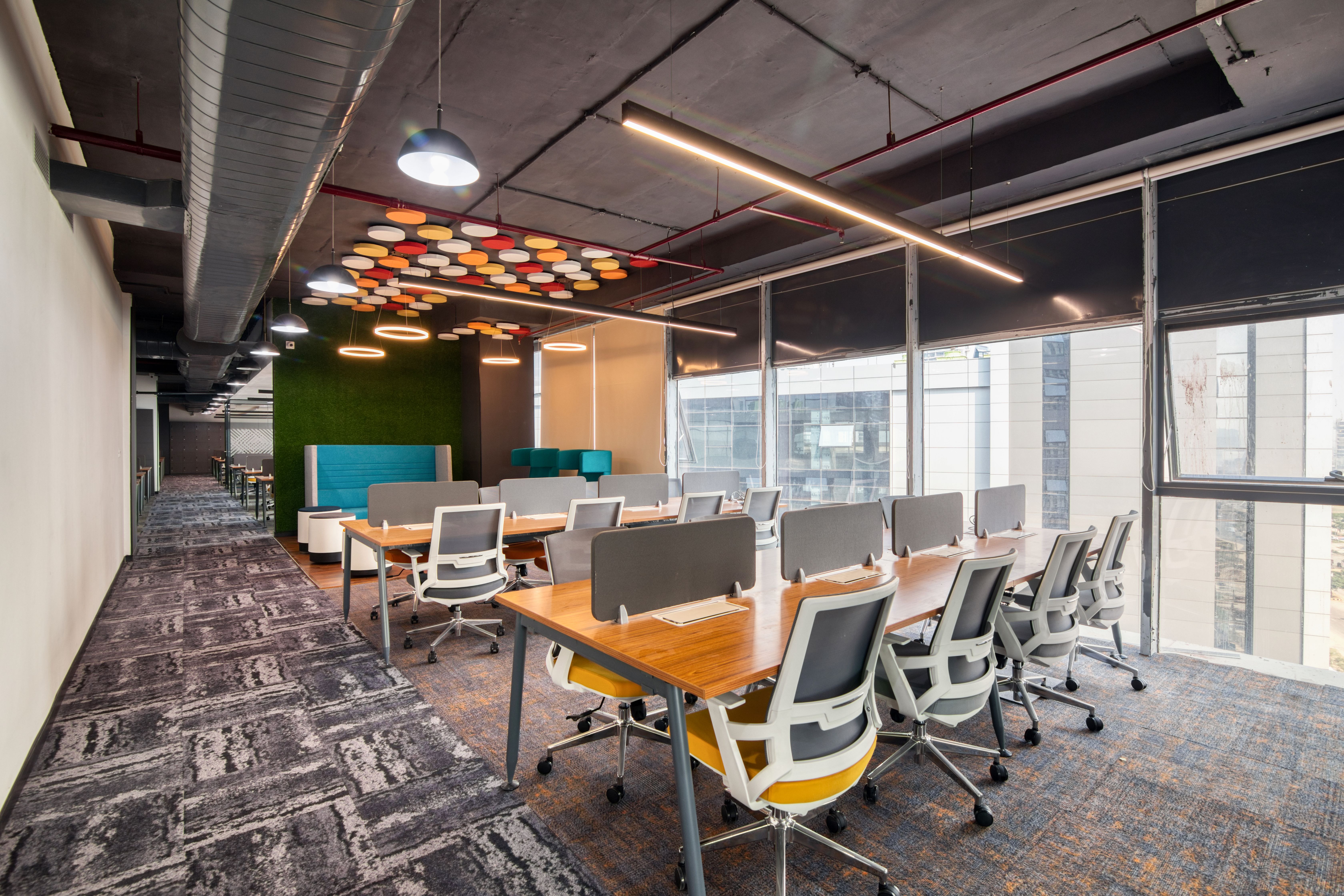
Can tradies finance office furniture through asset finance?
Yes, office furniture qualifies as business equipment under most asset finance structures, meaning you can spread the purchase cost over fixed monthly repayments rather than paying upfront. This includes desks, chairs, filing systems, meeting room tables, and even reception fitouts when you're moving from home-based work into a commercial premises.
Consider a cabinet maker who's been running jobs from a garage workshop but lands a commercial contract that requires a proper office space for client meetings and admin work. The workshop equipment is sorted, but fitting out an office with furniture, storage, and a reception area adds up quickly. Paying $15,000 to $20,000 upfront for furniture pulls cash away from materials, tools, or wage cover. Through a chattel mortgage or hire purchase arrangement, that same outlay converts to predictable monthly payments over three to five years, leaving working capital available for the parts of the business that generate income.
The finance sits alongside your other business funding. If you've already got commercial vehicle finance or equipment finance running for utes and machinery, adding office furniture through the same structure keeps your repayment schedule consolidated. Lenders typically treat office fitouts the same way they treat a trailer or compressor, as long as the furniture is used solely for business purposes and purchased under your ABN.
How the chattel mortgage structure works for furniture purchases
A chattel mortgage lets you own the furniture from day one while the lender holds security over it until the loan is repaid. You make fixed monthly repayments that include both principal and interest, and at the end of the term, the furniture is yours with no further obligation. This differs from a lease, where ownership only transfers at the end if you exercise a purchase option.
The loan amount is based on the purchase price of the furniture, and most lenders will finance up to 100% of the invoice value if your business financials support it. Interest rates sit in line with other secured business lending, typically lower than unsecured options like a business overdraft or credit card. Fixed monthly repayments mean you know exactly what's going out each month, which makes budgeting straightforward when you're managing job quotes, supplier payments, and wages.
Ready to get started?
Book a chat with a Finance Broker at Tru Asset Finance today.
You can also structure a balloon payment at the end of the term, which reduces your monthly repayments during the loan. A balloon is a lump sum due at the final payment, often set at 10% to 30% of the original loan amount. This can suit businesses that expect stronger cashflow down the track or plan to refinance at that point. The trade-off is that you'll pay more interest over the life of the loan compared to a fully amortised structure, so it's worth running the numbers based on your projected income.
Tax benefits and depreciation for office equipment
Office furniture purchased under a chattel mortgage is treated as a business asset, which means you can claim depreciation as a tax deduction each year. The Australian Tax Office sets depreciation rates for different asset types, and office furniture typically falls under a rate that allows you to write down the value over several years. Your accountant will calculate the exact amount based on the furniture's effective life and your business structure.
If you've purchased the furniture outright using a chattel mortgage, you may also be eligible to claim the full GST amount as an input tax credit in the Business Activity Statement for the period in which you took ownership. This is different from a lease arrangement, where GST is claimed progressively on each lease payment. The upfront GST claim can provide a useful cashflow boost in the quarter following your office fitout, particularly if you're also outlaying for other setup costs like signage, IT equipment, or security systems.
Interest charged on the loan is also deductible as a business expense, which reduces your taxable income each financial year. This applies whether you're a sole trader, partnership, or company. The combination of depreciation, GST treatment, and interest deductions can make financing office furniture more cost-effective than it first appears, especially if you're in a growth phase and need to preserve capital for other parts of the business.
When upgrading existing equipment makes more sense than buying outright
If you're already operating from an office but need to replace worn-out furniture or expand your workspace to accommodate more staff, refinancing or extending your existing asset finance can be more efficient than arranging a separate loan. Some lenders allow you to roll additional equipment into your current facility if the original loan is performing well and your business circumstances haven't changed significantly.
In a scenario like this, a plumbing business operating out of a small unit might add two more admin staff as job volume increases. The existing desks and chairs are fine, but there's no room for the new team. Rather than drawing down on a business overdraft or dipping into retained earnings, the business arranges an additional $8,000 through its existing equipment finance facility to cover new desks, chairs, and a filing system. The repayment term matches the remaining period on the original loan, keeping everything on the same schedule and avoiding multiple end dates to track.
This approach works particularly well if you're also upgrading other assets at the same time, such as adding a second ute, replacing a van, or buying new power tools. Consolidating those purchases into one facility means one application, one set of documentation, and one monthly payment instead of juggling several smaller commitments.
How lenders assess furniture finance applications for trade businesses
Lenders look at the same criteria for office furniture finance as they do for other business equipment. They'll want to see recent Business Activity Statements, bank statements showing regular trading activity, and confirmation that your ABN is active. If you're operating as a sole trader, they'll also review your personal credit file as part of the assessment.
The furniture itself acts as security for the loan, but lenders are more focused on your ability to service the repayments from business income than on the resale value of desks and chairs. This is different from commercial vehicle finance, where the vehicle retains significant value and can be sold if needed. Office furniture depreciates quickly and has limited secondhand appeal, so your trading history and cashflow carry more weight in the approval process.
Most lenders will ask for a supplier invoice or quote showing the furniture you intend to purchase. This confirms the loan amount and ensures the equipment is genuinely for business use. If you're buying secondhand furniture, some lenders will still finance it, but others prefer new equipment with a clear purchase trail and supplier invoice. If you're unsure whether a particular purchase qualifies, discussing your specific situation with a broker before committing to a supplier can save time.
What happens at the end of the finance term
Once the final repayment is made, ownership of the furniture transfers fully to your business if it hasn't already. With a chattel mortgage, you've owned it from day one, so there's no additional paperwork or transfer process. The lender releases their security interest, and the furniture becomes an unencumbered business asset.
If you structured the loan with a balloon payment, you'll need to pay that lump sum at the end of the term. You can pay it from business funds if available, refinance the balloon into a new loan, or trade in the furniture and use the proceeds to cover part or all of the balloon. For office furniture, trade-in value is usually low, so most businesses either pay the balloon or refinance it if cashflow is tight at that point.
If your business has grown and the furniture no longer meets your needs, you're under no obligation to keep it. You can sell it privately, donate it, or dispose of it as you see fit. The finance arrangement is entirely separate from what you do with the asset once the loan is repaid.
If you're setting up a new office space or expanding your current premises, call one of our team or book an appointment at a time that works for you. We'll run through the finance options that suit your business needs and help you structure repayments that align with your cashflow.
Frequently Asked Questions
Can I claim tax deductions on financed office furniture?
Yes, office furniture purchased under a chattel mortgage qualifies as a depreciable business asset. You can claim annual depreciation deductions based on ATO rates, plus the interest charged on the loan as a business expense each year.
What types of office furniture qualify for asset finance?
Most business-use office furniture qualifies, including desks, chairs, filing systems, meeting tables, and reception fitouts. The furniture must be purchased under your ABN and used solely for business purposes to meet lender criteria.
How does a balloon payment work with office furniture finance?
A balloon payment is a lump sum due at the end of the loan term, typically 10% to 30% of the original amount. It reduces your monthly repayments during the term but means you'll pay more interest overall compared to a fully repaid loan.
Can I add office furniture to my existing equipment finance?
Yes, if your current loan is performing well, many lenders allow you to roll additional equipment into your existing facility. This keeps everything on one repayment schedule and avoids multiple end dates.
Do lenders finance secondhand office furniture?
Some lenders will finance secondhand furniture, but most prefer new equipment with a clear supplier invoice. The furniture acts as security, so lenders focus more on your trading history and cashflow than the resale value of the items.