What is asset acquisition finance?
Asset acquisition finance lets you purchase business equipment or vehicles without paying the full cost upfront. Instead, you spread the cost across fixed monthly repayments while using the asset to generate income from day one.
The asset itself becomes collateral for the loan, which often means you can access finance without tying up other business resources. Whether you're buying construction equipment, work vehicles, medical equipment, or hospitality equipment, the core principle remains the same: you acquire what you need now and pay for it over a set period that suits your cashflow.
Why businesses in Victoria use finance for asset purchases
Preserving working capital is one of the most practical reasons to finance asset purchases rather than buying outright. A construction business purchasing a $120,000 excavator through finance keeps that capital available for wages, materials, and unexpected costs. Paying cash for the same excavator leaves the business exposed if cashflow tightens during quieter months.
Tax treatment also plays a role. Depending on the finance structure you choose, you may be able to claim depreciation on the asset, deduct interest payments, or access instant asset write-off provisions if your purchase qualifies under current tax rules. Your accountant can confirm what applies to your specific situation, but the tax benefits often make financing more attractive than depleting reserves.
In our experience, businesses also use finance to match the cost of the asset with the income it generates. A medical practice acquiring diagnostic equipment worth $80,000 might expect that equipment to generate revenue over five years. Financing it across the same period aligns the expense with the benefit.
Ready to get started?
Book a chat with a Finance Broker at Tru Asset Finance today.
Common finance structures for acquiring assets
A chattel mortgage is one of the most widely used structures for asset acquisition. You take ownership of the asset from the start, make fixed monthly repayments, and the lender holds a mortgage over the asset as security. At the end of the term, you own it outright or pay a balloon payment if one was included. This structure suits businesses that want to claim depreciation and GST credits on eligible purchases.
Hire purchase works differently. The lender owns the asset until you make the final payment, at which point ownership transfers to you. Fixed monthly repayments make budgeting predictable, and you still get to use the asset throughout the life of the lease. Hire purchase is often used for vehicles, factory machinery, and technology equipment where ownership at the end of the term matters.
A finance lease lets you use the asset without owning it. You make regular payments for an agreed period, claim those payments as a tax deduction, and at the end of the term you can upgrade, return, or purchase the asset at its residual value. This structure appeals to businesses that want flexibility or expect to upgrade equipment regularly, such as those in the technology or hospitality sectors.
An operating lease is similar but typically involves lower monthly payments because you're only covering the depreciation during the lease period, not the full purchase price. At the end, the asset goes back to the lender. This suits businesses that need the latest equipment without committing to ownership, such as those leasing office equipment or vehicles on a short upgrade cycle.
How loan amount and repayment terms are decided
The loan amount is usually based on the asset's purchase price, though some lenders will also include delivery, installation, or initial service costs if the total makes sense for the asset's value. For commercial vehicle finance or plant and machinery finance, lenders may lend up to 100% of the asset cost, depending on your business profile and the asset type.
Repayment terms typically range from two to seven years, though shorter and longer terms are available depending on the asset's expected working life. A truck might be financed over five years, while a tractor used in agriculture could be structured over seven. Matching the term to the asset's productive life helps manage cashflow without paying for equipment long after it's retired.
A balloon payment can reduce your fixed monthly repayments by deferring part of the loan amount to the end of the term. Consider a logistics business financing a $90,000 truck over five years with a 30% balloon payment. Monthly repayments cover 70% of the loan, and at the end of the term, the business pays the remaining $27,000, refinances it, or trades in the truck and uses its value to cover the balloon. The lower monthly commitment can help during the early years when other costs are high, but you need a plan for how you'll handle the balloon when it's due.
Asset types commonly financed in Victoria
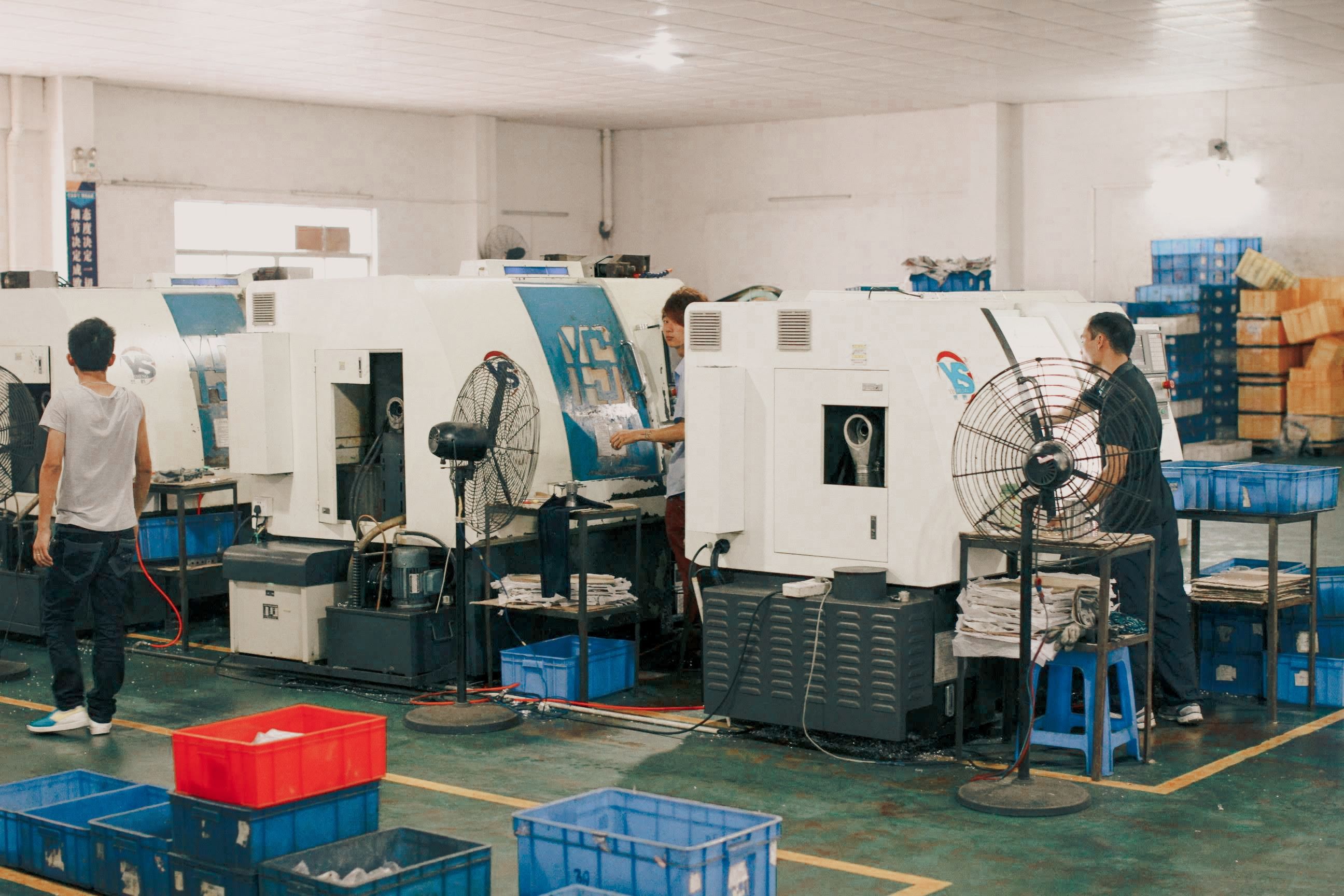
Construction equipment finance covers everything from excavators and dozers to cranes and graders. Businesses across regional Victoria and metro Melbourne use this type of finance to acquire or upgrade existing equipment without waiting until they've saved the full amount. Excavators in particular are often financed because their cost and immediate earning potential make paying upfront impractical for most operators.
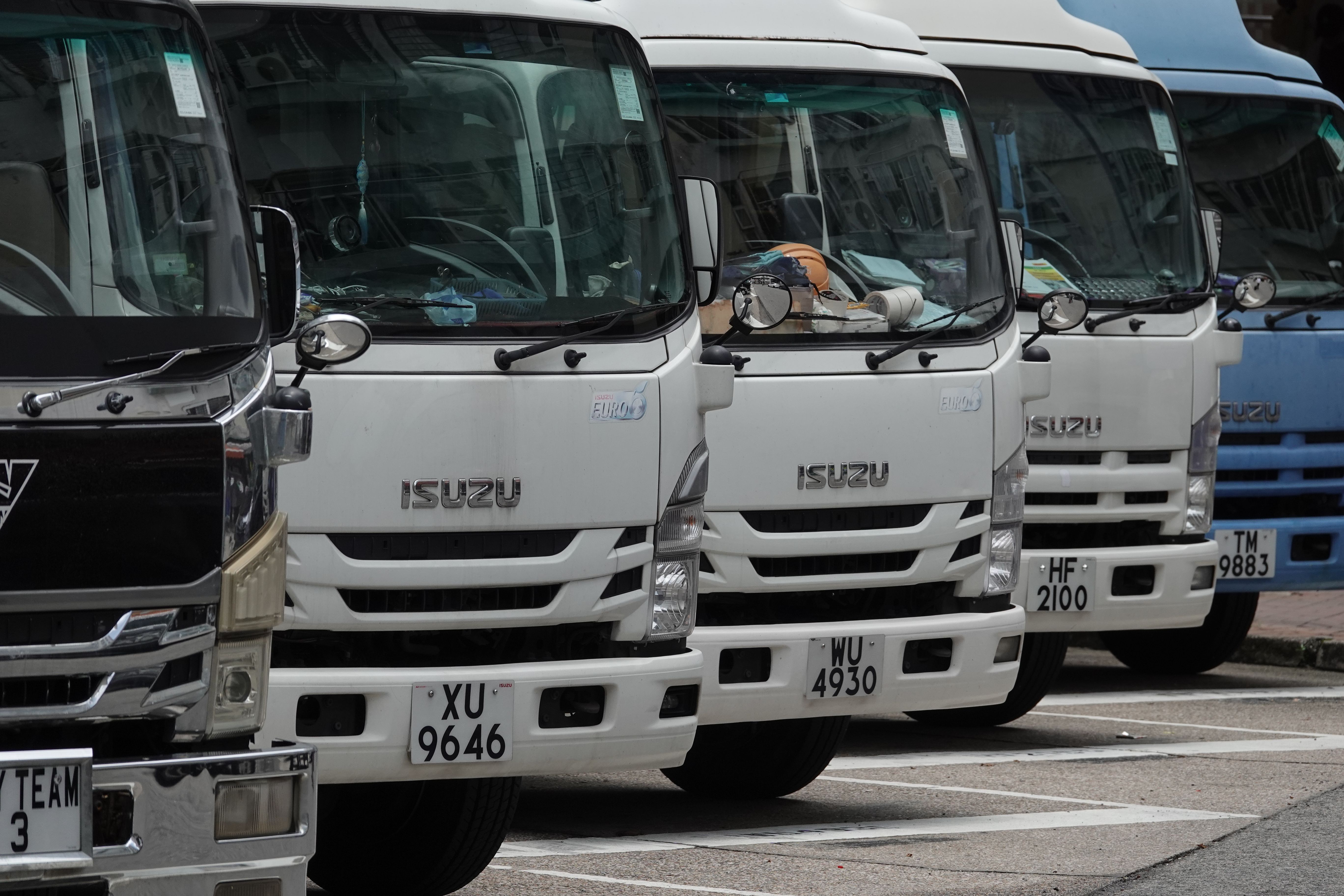
Commercial vehicle finance includes utes, vans, trucks, and trailers used for business purposes. Whether you're running a trades business in Geelong or a delivery service in Ballarat, financing work vehicles lets you access reliable transport while spreading the cost. Fleet finance is available if you're purchasing multiple vehicles at once, which can streamline the process and sometimes improve your overall rate.
Medical equipment finance is used by GP clinics, dental practices, physiotherapy centres, and allied health providers to acquire diagnostic tools, treatment equipment, and office technology. The cost of staying current with medical equipment can be significant, and finance allows practices to upgrade without disrupting their operating accounts.
Hospitality equipment finance helps cafes, restaurants, and commercial kitchens acquire everything from coffee machines and cool rooms to ovens and dishwashers. Hospitality businesses often operate on tight margins, so financing equipment rather than buying it outright keeps cashflow available for stock, wages, and seasonal fluctuations.
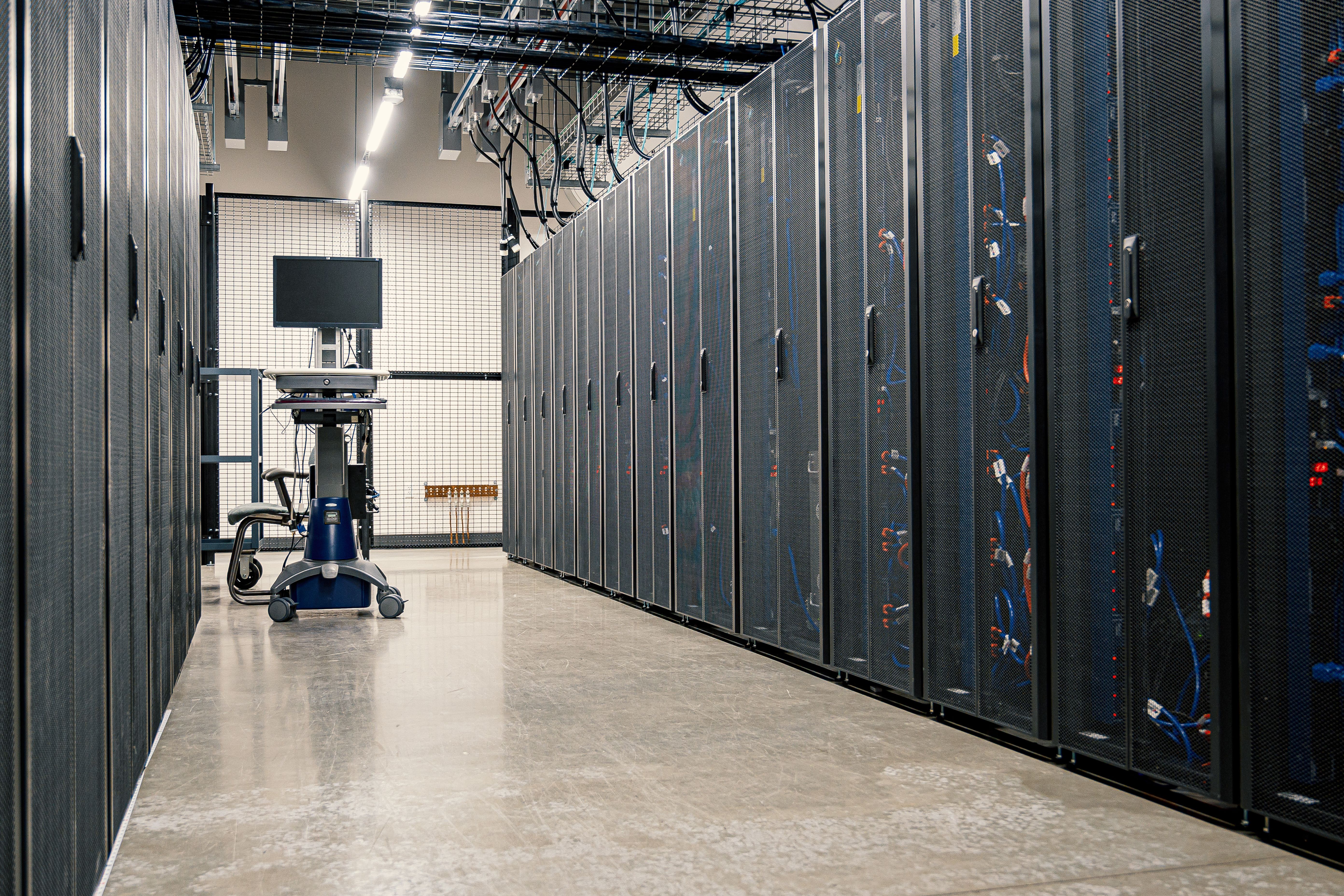
Technology equipment finance covers computers, servers, point-of-sale systems, and other business technology with shorter useful lives. An operating lease or finance lease with a two or three-year term lets you upgrade at the end without being stuck with outdated equipment.
Accessing finance options from banks and lenders across Australia
Tru Asset Finance works with banks and specialist lenders across Australia to find finance options that match your business needs. Different lenders have different appetites for asset types, loan amounts, and business structures. One lender might offer stronger rates for construction equipment finance, while another is more flexible with startups or businesses with limited trading history.
Vendor finance and dealer finance are also available for certain assets. The supplier arranges finance directly, often at the point of sale. This can be convenient, but it's worth comparing those offers against what's available through a broker to confirm you're getting terms that suit your circumstances. In our experience, businesses that compare options rather than accepting the first offer often end up with better repayment structures and lower overall costs.
Tax benefits and GST treatment
Depreciation is one of the key tax benefits when you own an asset financed through a chattel mortgage or hire purchase. You can claim the decline in value each year, reducing your taxable income. If the asset qualifies for instant asset write-off provisions, you may be able to claim the full cost in the year you purchase it, subject to eligibility thresholds that change periodically. Your accountant will confirm what applies based on the asset cost and your business structure.
GST treatment varies by finance type. With a chattel mortgage, you can usually claim the GST on the purchase price upfront if you're registered for GST. With a lease, GST is typically included in each repayment and claimed progressively. The difference affects cashflow, so it's worth understanding how each structure handles GST before you commit.
Interest payments on most asset finance structures are tax deductible as a business expense. Lease payments under a finance lease or operating lease are also generally deductible, though the exact treatment depends on how the lease is structured and how the ATO classifies it. This is another area where speaking with your accountant before signing makes sense.
When refinancing or upgrading existing equipment makes sense
Refinancing existing equipment finance can reduce your repayments if rates have improved or your business circumstances have changed since you first took out the loan. A business that financed a fleet of vehicles two years ago at a higher rate might be able to refinance and lower monthly costs, freeing up cashflow for other priorities.
Upgrading existing equipment before the finance term ends is also possible. If you're halfway through a lease on a vehicle or piece of machinery and your business needs have changed, some lenders will let you trade in the asset, settle the remaining balance, and roll into new finance for a replacement. This keeps your equipment current without waiting for the original term to expire.
Making the decision that fits your business
The right finance structure depends on whether you want to own the asset, how long you'll use it, and how you want to manage tax and cashflow. A chattel mortgage suits businesses that want ownership and tax deductions from day one. A lease suits those who value flexibility or expect to upgrade regularly. Hire purchase sits in between, giving you ownership at the end without needing a large upfront deposit.
Think about the asset's working life and how it fits into your broader business plan. Financing a $150,000 crane over seven years makes sense if you expect consistent work that justifies the equipment. Financing the same crane over three years with high repayments might strain cashflow unless your contract pipeline supports it.
Tru Asset Finance helps Victorian businesses compare finance options across lenders, structures, and terms so you can acquire the assets you need with repayments that fit your budget. Call one of our team or book an appointment at a time that works for you.
Frequently Asked Questions
What is the difference between a chattel mortgage and hire purchase?
With a chattel mortgage, you own the asset from the start and the lender holds a mortgage over it as security. With hire purchase, the lender owns the asset until you make the final payment, then ownership transfers to you. Both involve fixed monthly repayments and eventual ownership.
Can I claim tax deductions on financed equipment?
Yes, depending on the finance structure. With a chattel mortgage or hire purchase, you can usually claim depreciation and interest as tax deductions. With a lease, lease payments are generally deductible. Your accountant can confirm what applies to your situation.
What is a balloon payment and when should I use one?
A balloon payment defers part of the loan amount to the end of the term, reducing your fixed monthly repayments. It suits businesses that want lower monthly costs and have a plan to pay, refinance, or trade in the asset when the term ends.
How long can I finance business equipment for?
Repayment terms typically range from two to seven years, depending on the asset type and its expected working life. Shorter terms mean higher repayments but less interest paid overall, while longer terms reduce monthly costs but extend the commitment.
Can I upgrade equipment before the finance term ends?
Yes, some lenders allow you to trade in the asset, settle the remaining balance, and roll into new finance for replacement equipment. This keeps your equipment current without waiting for the original term to finish.