
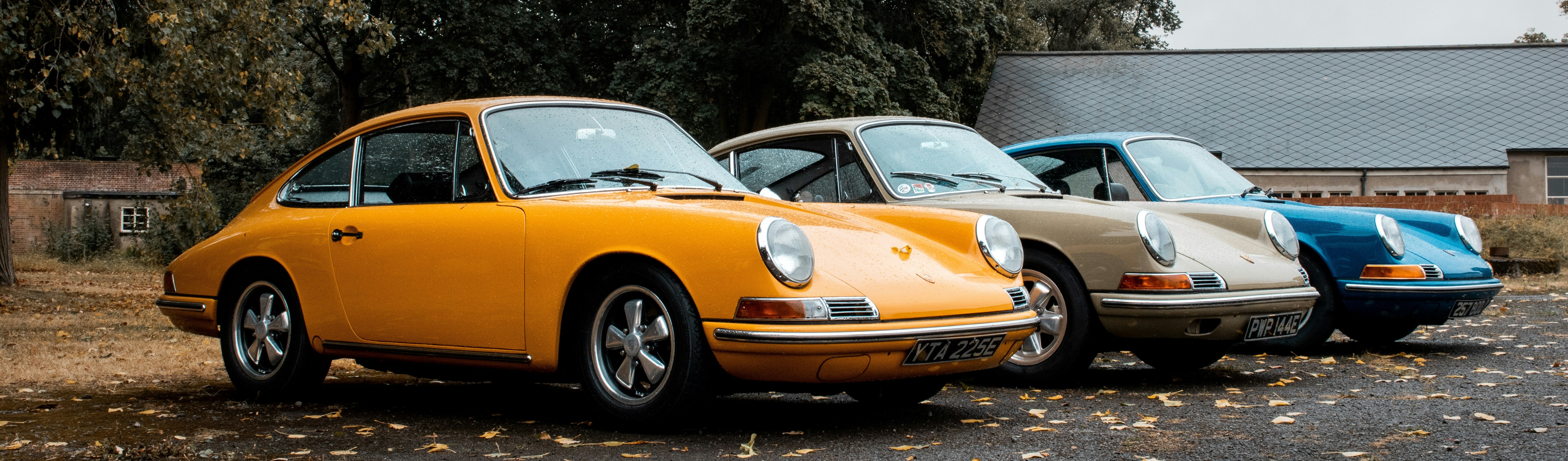
Most lenders won't touch a classic car with their standard vehicle finance products.
If you're a tradie looking to buy a classic as a weekend project or personal passion, you need to understand that the loan application process works differently to financing a ute or work vehicle. The age of the car, its valuation method, and how you plan to use it all affect what loan options you'll qualify for and what interest rate you'll pay.
Why Classic Cars Get Declined Under Standard Car Loans
Standard car finance products typically cap vehicle age at 10 to 15 years because older vehicles are harder to value and sell if the loan defaults. A classic car from the 1960s or 1970s doesn't fit the risk model that most banks use for their automated approval systems. Instead of a simple check against RedBook or Glass's Guide, lenders need a specialist valuation, which adds time and cost to the application. Some lenders will classify your classic as a personal asset rather than reliable transport, which shifts you out of secured vehicle finance and into unsecured personal loan territory with higher rates.
Getting a Valuation That Lenders Will Accept
Lenders require a written valuation from a recognised classic car specialist or accredited valuer, not an estimate from the seller or an online forum. The valuation needs to detail the vehicle's condition, originality, and market comparability with recent sales of similar models. In our experience, buyers who arrange this valuation before they apply move through the approval process faster because the lender doesn't need to request it later and delay the timeline. If you're looking at a car that's been modified or restored, make sure the valuation includes receipts or documentation for major work, as lenders treat undocumented modifications as a red flag.
Ready to get started?
Book a chat with a Finance Broker at Tru Asset Finance today.
The Deposit Gap Most Buyers Underestimate
Classic car finance typically requires a larger deposit than standard vehicle loans. Where you might secure a ute or family car with 10% to 20% down, many lenders want 30% to 40% for a classic because of the higher perceived risk. Consider a buyer purchasing a restored Ford Falcon GT for $80,000. With a 35% deposit requirement, they need $28,000 upfront plus another $3,000 to $5,000 for registration, insurance, and transfer costs. If that deposit comes from savings outside your offset account or redraw, factor in how that affects your cash flow before you commit.
How Your Loan Structure Affects Running Costs
A balloon payment can reduce your monthly repayment amount, but it creates a lump sum obligation at the end of the loan term. Some buyers use this structure assuming they'll sell the car or refinance the car loan when the balloon is due, but if the market softens or the car needs unexpected restoration work, you're locked into that payment regardless. A fully amortised loan with no balloon gives you clearer budgeting and full ownership at the end of the term, which matters if the classic is something you plan to keep long-term rather than flip.
When a Personal Loan Makes More Sense Than Car Finance
If your classic is a project car that won't be roadworthy immediately, or if you're buying it for parts or restoration over several years, a personal loan may suit your situation better than secured vehicle finance. Personal loans don't require a roadworthy certificate or comprehensive insurance at settlement, which removes two common obstacles for buyers purchasing a car that isn't ready to drive. The trade-off is a higher interest rate because the loan isn't secured against the vehicle, but you gain flexibility in how you use and restore the car without needing to meet lender conditions around roadworthiness or insurance.
Why Insurance Needs to Be Arranged Before Settlement
Lenders require proof of comprehensive insurance before they'll release funds for a secured car loan, and insuring a classic isn't as straightforward as insuring a late-model vehicle. Agreed value policies are standard for classics, and the insurer will want the same valuation report that your lender required. If there's a gap between what the lender will finance and what the insurer will cover, you need to address that before settlement or risk the loan approval falling through. Some insurers also impose usage restrictions, such as limiting annual kilometres or requiring the car to be garaged, which can affect your premium and your ability to meet the lender's insurance requirements.
The Application Process for Classic Car Finance
Applying for classic car finance involves more documentation than a standard vehicle loan. You'll need the specialist valuation, proof of income, recent tax returns if you're self-employed, and details of any other debts or finance commitments. If you're buying from a private seller, the lender may also request a vehicle history report and confirmation that the car isn't subject to any existing finance or encumbrance. The approval timeline is typically longer because fewer lenders offer classic car finance and those that do require manual assessment rather than instant approval. Expect one to two weeks from application to formal approval, assuming your documentation is complete.
If you're considering classic car finance as a tradie, the team at Tru Asset Finance can walk you through what lenders are looking for and help you compare car loan options that suit your situation. Call one of our team or book an appointment at a time that works for you.
Frequently Asked Questions
Can I get finance for a classic car that's not roadworthy?
Secured car finance typically requires the vehicle to be roadworthy and insured before settlement. If your classic isn't roadworthy, a personal loan may suit your situation better as it doesn't require these conditions.
How much deposit do I need for classic car finance?
Most lenders require 30% to 40% deposit for a classic car, which is higher than standard vehicle loans. You'll also need to budget for registration, insurance, and transfer costs on top of the deposit.
What valuation do lenders accept for classic cars?
Lenders require a written valuation from a recognised classic car specialist or accredited valuer. The valuation must detail the vehicle's condition, originality, and market comparability with recent sales of similar models.
How long does classic car finance approval take?
Classic car finance typically takes one to two weeks from application to formal approval. The timeline is longer than standard car loans because fewer lenders offer these products and they require manual assessment.
Should I use a balloon payment for my classic car loan?
A balloon payment reduces your monthly repayments but creates a lump sum obligation at the end of the loan term. If you plan to keep the car long-term, a fully amortised loan with no balloon gives you clearer budgeting and full ownership at the end.