What Commercial Kitchen Equipment Finance Actually Covers
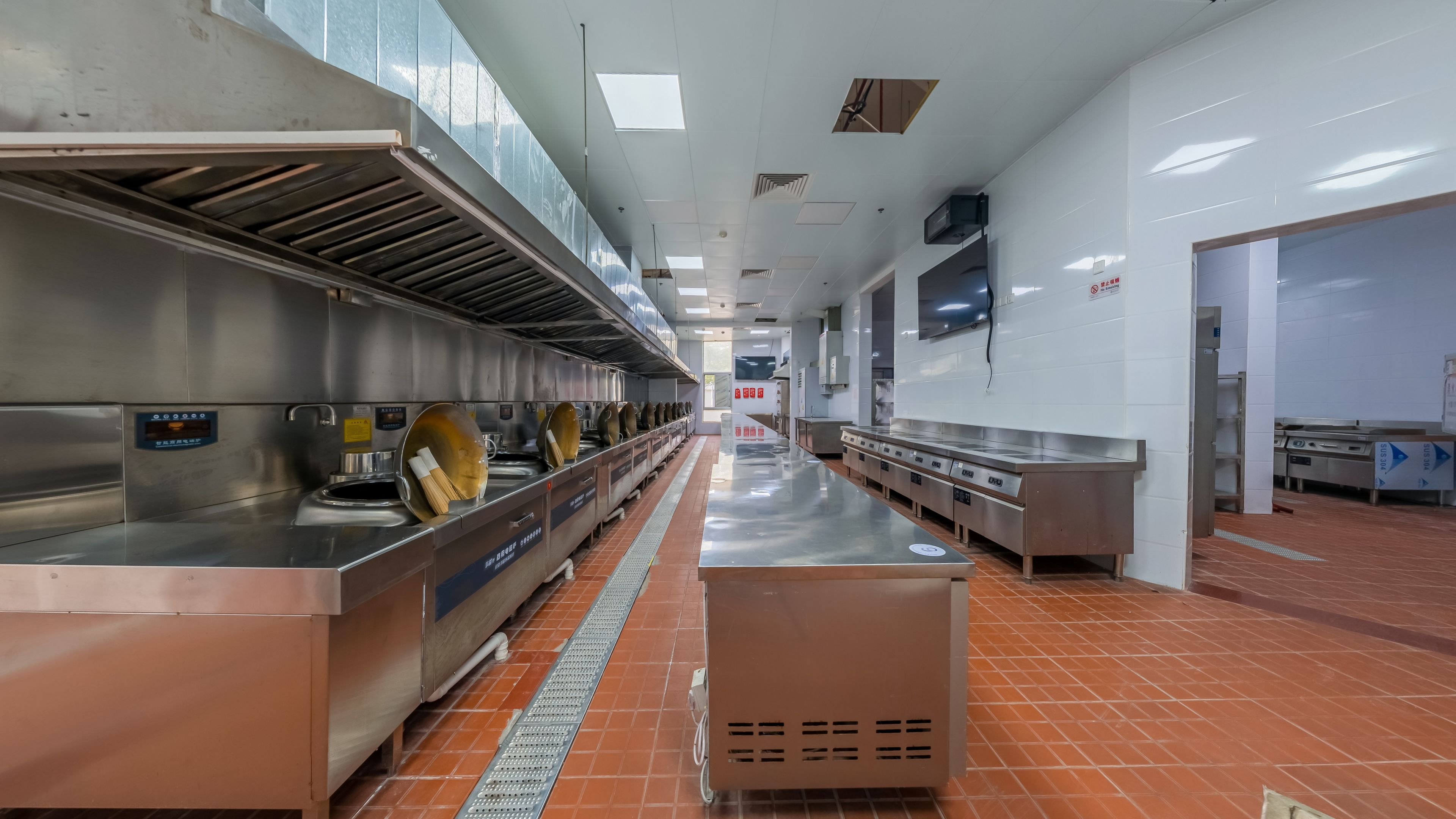
Commercial equipment finance lets you purchase or upgrade kitchen equipment by spreading the cost over time with fixed monthly repayments, rather than paying the full amount upfront. This applies to everything from commercial ovens and fridges to dishwashers, prep benches, and exhaust systems.
The equipment itself becomes collateral for the loan, which typically means you can access funding without needing to provide additional security. Most lenders will finance new or used equipment up to a certain age, usually around seven years old at the end of the loan term. The loan amount can range from $5,000 through to several hundred thousand dollars depending on what you're purchasing and your business needs.
Consider a cafe owner replacing an aging commercial oven and adding a second fridge to handle increased demand. Rather than withdrawing $35,000 from the business account, they use equipment finance to spread the cost across four years. The monthly repayment sits around $800, which they can budget for consistently, and the cash they preserve stays available for wages, stock, and unexpected repairs.
Why Hospitality Operators Use Finance Rather Than Cash
Preserving working capital matters more than avoiding interest costs for most small hospitality businesses. Kitchen equipment wears out predictably, but revenue can fluctuate week to week depending on season, weather, and local events. Keeping cash available means you can cover a quiet month, take advantage of a supplier deal, or handle an urgent repair without stress.
Finance also aligns the cost of the equipment with the income it generates. A commercial kitchen mixer that you'll use for five years can be paid off across that same period, rather than taking a large sum from your account in a single hit. The tax benefits also shift the equation. Under depreciation rules, you can claim the decline in value of the equipment each year, and depending on the finance options you choose, you may also claim the interest component of your repayments.
In our experience, businesses that finance their kitchen equipment tend to upgrade more frequently and run more reliable operations because they're not waiting to save the full purchase price before replacing failing equipment.
Chattel Mortgage vs Hire Purchase for Kitchen Fitouts
A chattel mortgage and hire purchase both let you own the equipment at the end of the term, but they differ in GST treatment and how ownership works during the loan.
With a chattel mortgage, you own the equipment from day one. You pay the GST upfront as part of the purchase, but if your business is registered for GST, you can claim that back in your next Business Activity Statement. The loan amount is then the total cost including GST, and you make fixed monthly repayments over the agreed term. This structure works well for established businesses with consistent cashflow and GST registration.
Hire purchase means the lender owns the equipment until the final payment is made. GST is included in each repayment rather than charged upfront, so there's no large GST amount to claim back at the start. This can suit newer businesses or those managing cashflow more tightly, but the overall cost is often slightly higher because GST is calculated on the total amount including interest.
Ready to get started?
Book a chat with a Finance Broker at Tru Asset Finance today.
For a venue fitout involving multiple pieces of equipment, say a new commercial kitchen for a small restaurant, a chattel mortgage often makes more sense. The business claims the GST back immediately and keeps repayments consistent. For a single high-value item like a commercial combi oven, hire purchase might appeal to a business that prefers to avoid the upfront GST outlay.
How Balloon Payments Affect Your Monthly Commitment
A balloon payment is a lump sum due at the end of the loan term, which reduces your fixed monthly repayments during the loan period. It's calculated as a percentage of the original loan amount, typically between 10% and 50% depending on the term and lender.
If you finance a $50,000 kitchen equipment package over five years with no balloon payment, your monthly repayment might sit around $950. Add a 30% balloon payment, and that monthly figure drops to roughly $750, with $15,000 due at the end. The lower monthly commitment can help manage cashflow during the loan, but you need a plan for that final payment.
Most businesses either refinance the balloon amount into a new loan, sell the equipment and use the proceeds to cover it, or pay it from cash reserves if the business has grown enough to absorb it. A balloon payment works well when you expect to upgrade the equipment before the loan ends, or when you're confident your revenue will grow enough to cover the final amount. It's less suitable if you're already stretching to meet monthly commitments and have no clear plan for the lump sum.
What Lenders Look at When You Apply
Lenders assess your business's ability to repay the loan based on trading history, cashflow, and the equipment you're purchasing. Most will want to see at least six months of bank statements, recent profit and loss statements, and proof that your business is actively trading. If you're a newer business, some lenders will consider applications with as little as three months of trading, particularly if you're buying equipment that directly generates income.
The age and type of equipment also matters. Lenders are more comfortable financing new or near-new kitchen equipment because it holds value better and is less likely to break down. If you're buying used equipment, expect stricter terms or a shorter loan period. The supplier or vendor you're purchasing from can also influence the outcome, particularly if they have an existing relationship with certain lenders or offer vendor finance arrangements.
Your credit history plays a role, but it's not the only factor. A director with a minor default from several years ago can still access funding if the business shows solid cashflow and the equipment purchase makes commercial sense. Working with a broker gives you access to asset finance options from banks and lenders across Australia, rather than relying on a single lender's criteria.
When Leasing Makes More Sense Than Purchasing
A finance lease or operating lease keeps the equipment off your balance sheet and can offer different tax treatment compared to a chattel mortgage or hire purchase. With a lease, you never own the equipment. You make regular payments for the right to use it, and at the end of the lease term, you either return it, upgrade to new equipment, or purchase it for a residual value.
Leasing suits businesses that want to stay current with technology or equipment that becomes obsolete quickly. It's less common for core kitchen equipment like ovens and fridges, which tend to have longer useful lives, but it can work for point-of-sale systems, coffee machines, or specialised equipment tied to specific menu offerings.
The life of the lease is typically shorter than a purchase loan, often two to three years, which keeps payments higher but lets you refresh equipment more frequently. The GST treatment differs depending on whether it's a finance lease or operating lease, so it's worth discussing your specific situation with an accountant before committing.
How to Structure Finance When You're Buying Multiple Items
When you're purchasing a full kitchen fitout or upgrading several pieces of equipment at once, you can either bundle everything into one loan or split it across multiple agreements. Bundling simplifies administration because you have one monthly repayment and one contract to manage, but it also locks you into a single term and structure for all equipment.
Splitting the finance lets you match each piece of equipment to an appropriate term based on its expected life. A commercial dishwasher might be financed over three years, while a coolroom fit-out could stretch to seven. This approach gives you more flexibility and means you're not paying for long-lived equipment over a short term or vice versa.
As an example, a small bakery expanding its production capacity might finance a new deck oven, a spiral mixer, and a prover. The oven and mixer could be bundled under a five-year chattel mortgage because they'll both be in service for at least that long. The prover, which is more prone to wear, might go on a shorter three-year agreement. This way, the monthly commitment is structured around how long each item will actually be useful, and the business isn't stuck with repayments on equipment that needs replacing earlier than the loan ends.
Tax Benefits You Can Actually Use
Depreciation and interest deductions reduce the after-tax cost of financing kitchen equipment. When you purchase equipment using a chattel mortgage or hire purchase, you can claim depreciation on the decline in value of the equipment each year. For most commercial kitchen equipment, this is calculated using the diminishing value method, which gives you a larger deduction in the earlier years.
The interest component of your repayments is also deductible as a business expense. Over a five-year loan, this can add up to several thousand dollars in tax savings depending on the loan amount and interest rate. If you're using a finance lease, the lease payments themselves are generally deductible, though the treatment differs because you don't own the equipment.
Tax rules change, and what applies to your business depends on your structure and circumstances, so it's worth confirming the specifics with an accountant. But the principle holds: financing equipment usually delivers better tax outcomes than paying cash, because it creates deductible expenses that offset your income over time.
What Happens When You Need to Upgrade Before the Loan Ends
Equipment fails, business models shift, and sometimes you need to replace or upgrade before your loan term finishes. If you're still making repayments, you have a few options depending on the type of finance and the lender's policies.
With a chattel mortgage, you own the equipment, so you can sell it privately or trade it in with a vendor. The sale proceeds go toward paying out the remaining loan balance, and if there's a shortfall, you'll need to cover that from other funds or roll it into new finance. If the equipment has held its value well, you might break even or come out slightly ahead.
Under hire purchase, you don't own the equipment until the final payment, so selling it is more complicated. You'll need to work with the lender to arrange a payout figure, and the vendor or buyer will typically pay the lender directly. Some lenders also offer early upgrade programs where you can trade in existing financed equipment and roll the remaining balance into a new agreement, though this usually comes with fees.
The cleaner approach is to structure your initial loan term to match your realistic upgrade cycle. If you know you'll replace equipment every four years, don't stretch the loan to seven just to reduce the monthly repayment.
Getting Your Application Ready
Start by identifying exactly what equipment you need, the supplier you'll use, and the total cost including delivery and installation. Lenders will want a detailed quote or invoice that lists each item separately, rather than a generic estimate. If you're purchasing from a specialist kitchen equipment supplier, check whether they offer dealer finance arrangements, which can sometimes be faster to process.
Gather your business financials. That means at least six months of bank statements, recent profit and loss statements, and if your business is registered for GST, your latest BAS statements. If you're operating through a company or trust, have your ABN, ACN, and trust deed available. Lenders will also want proof of identity for directors or business owners, usually a driver's licence and Medicare card.
Once you've got that together, applying through a broker like Tru Asset Finance means your details go to multiple lenders at once, which increases your chances of approval and gives you more choice on terms and rates. You'll typically receive a response within 24 to 48 hours for straightforward applications, and once approved, funds can be available within a few days.
Call one of our team or book an appointment at a time that works for you. We'll walk you through the options that suit your business and the equipment you're purchasing, and make sure the structure fits both your cashflow and your long-term plans.
Frequently Asked Questions
Can I finance both new and used kitchen equipment?
Yes, most lenders will finance both new and used commercial kitchen equipment. Used equipment typically needs to be under a certain age at the end of the loan term, usually around seven years old, and lenders may require an independent valuation depending on the value.
What's the difference between a chattel mortgage and hire purchase for kitchen equipment?
With a chattel mortgage, you own the equipment from day one and pay GST upfront, which you can claim back if GST registered. Under hire purchase, the lender owns the equipment until the final payment and GST is included in each repayment.
How long does it take to get approved for commercial equipment finance?
For straightforward applications, you'll typically receive a response within 24 to 48 hours. Once approved, funds can be available within a few days, depending on the lender and how quickly you provide any additional documentation.
Can I claim tax deductions on financed kitchen equipment?
Yes, you can claim depreciation on the equipment's decline in value each year, and the interest component of your repayments is also tax deductible. The exact treatment depends on the finance structure and your business setup, so confirm the details with an accountant.
What happens if I need to upgrade equipment before the loan is paid off?
If you own the equipment under a chattel mortgage, you can sell or trade it and use the proceeds to pay out the remaining balance. With hire purchase, you'll need to work with the lender to arrange a payout figure before upgrading.