
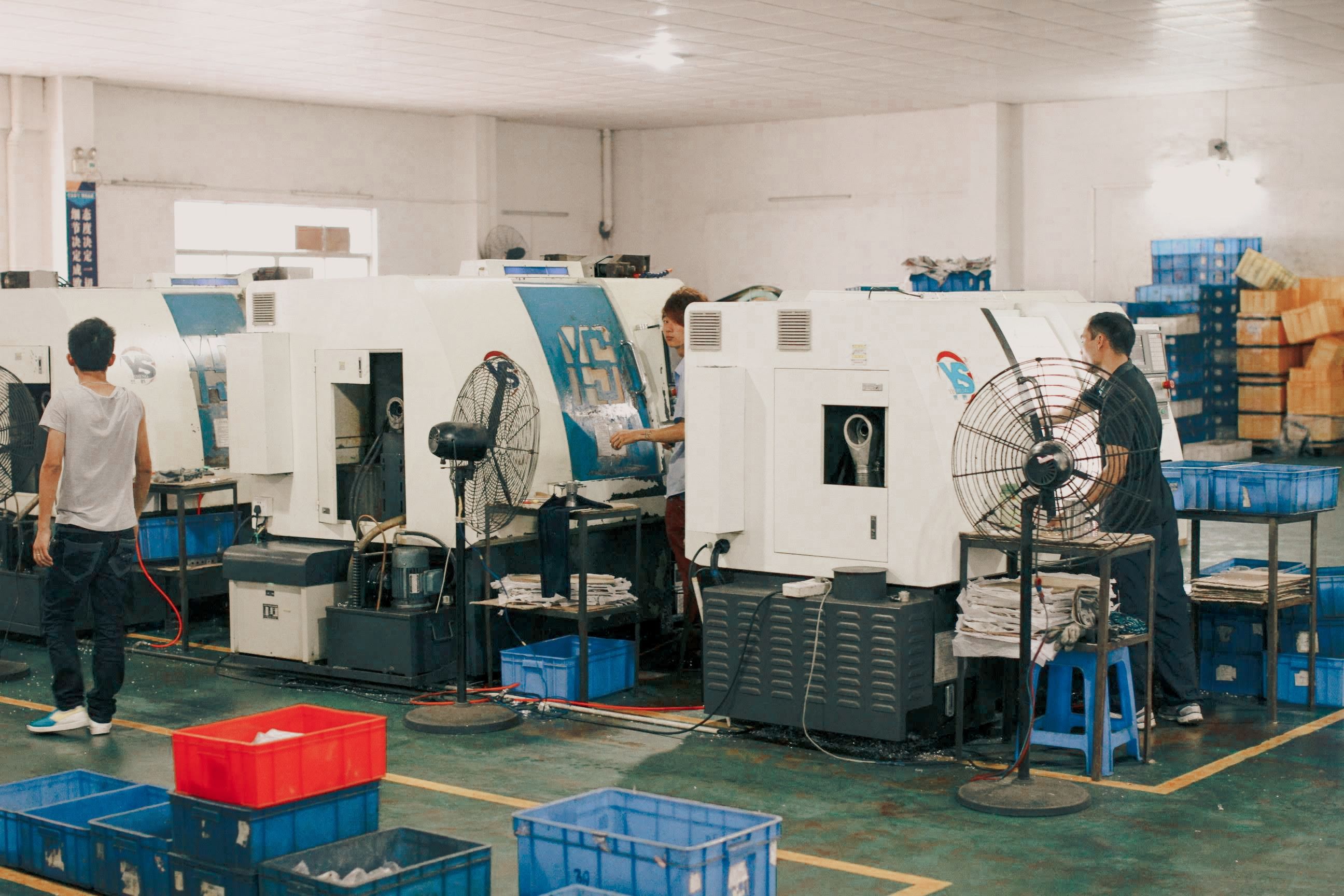
Choosing the Wrong Finance Structure for Your Manufacturing Equipment
The finance structure you choose affects your tax position, cashflow, and ownership timeline. A chattel mortgage suits businesses buying factory machinery they intend to own outright, while a hire purchase arrangement spreads ownership until the final payment. Leasing options might preserve working capital but won't deliver the same tax treatment on the asset.
Consider a manufacturing business acquiring CNC machinery valued at $250,000. Under a chattel mortgage, the business claims depreciation and GST input credits immediately, owns the equipment from day one, and makes fixed monthly repayments over the agreed term. The loan amount covers the purchase price, and the equipment itself serves as collateral. Under a hire purchase, ownership transfers only after the final payment, which delays certain accounting benefits but may suit businesses with specific balance sheet considerations.
The difference between these structures isn't just technical. It determines when you can claim deductions, how the asset appears on your books, and whether you can refinance or sell the equipment before the loan term ends. Matching the structure to your business needs and tax strategy matters more than chasing the lowest interest rate.
Underestimating the Total Cost of Buying New Equipment
The purchase price is only part of what you'll spend. Installation, freight, training, and integration with existing systems add to the outlay, and most manufacturers underestimate these costs by 15% to 20%. If your loan amount doesn't cover the full implementation cost, you'll need to fund the gap from working capital or delay commissioning.
When financing automation equipment or robotics, the installation and programming costs often match or exceed the equipment purchase itself. A $400,000 robotic welding system might require another $100,000 in site preparation, software integration, and operator training before it's operational. If your finance application covers only the machinery, you're left scrambling for the balance or deferring the project.
Work with your supplier to identify every cost associated with commissioning the equipment, then structure your finance application to match. Lenders who specialise in plant and machinery finance understand these projects and can include ancillary costs in the loan amount, provided the equipment itself holds sufficient value as collateral.
Ignoring How Equipment Finance Affects Your Cashflow
Fixed monthly repayments provide certainty, but they don't flex with revenue cycles. Manufacturing businesses often experience seasonal demand or project-based income, and a rigid repayment schedule can strain cashflow during quieter months. Some finance options allow structured repayments or seasonal adjustments, but you need to request these upfront.
In our experience, businesses financing material handling equipment or specialised machinery benefit from discussing cashflow patterns with their broker before signing. A food processing business might need lower repayments during off-peak months, while a fabrication shop with steady contracts can manage consistent payments year-round. The finance structure should reflect how your business generates income, not just the term and interest rate.
Lenders evaluate cashflow as part of the approval process, so if your revenue fluctuates, present a clear picture of your trading cycle and explain how the new equipment improves output or efficiency. A well-prepared application that addresses cashflow management is more likely to secure flexible terms than one that treats repayments as a fixed cost.
Ready to get started?
Book a chat with a Finance Broker at Tru Asset Finance today.
Overlooking the Tax Benefits of Plant and Equipment Finance
Manufacturing equipment qualifies for depreciation deductions, and the finance structure you choose determines how quickly you can claim those benefits. Under instant asset write-off provisions (where applicable), eligible businesses may be able to deduct the full cost in the year of purchase. Even without those provisions, standard depreciation schedules allow you to claim the equipment's decline in value over its effective life.
The interest portion of your repayments is also tax deductible, whether you're using a chattel mortgage, hire purchase, or another equipment finance structure. This reduces the effective cost of the loan and improves the return on your investment in new machinery. Many businesses fail to factor these deductions into their cashflow projections, which means they overestimate the true cost of upgrading existing equipment.
Work with your accountant to model the tax treatment before committing to a finance option. The ability to claim depreciation from day one under a chattel mortgage might make it more tax effective than a lease, even if the lease offers lower monthly payments. The best structure depends on your tax position, profit forecast, and how the equipment contributes to business efficiency.
Failing to Plan for Technology Upgrades and Equipment Obsolescence
Manufacturing technology evolves quickly, and equipment that's current today may be outdated within five to seven years. If you finance machinery over a seven-year term but need to upgrade after four years, you'll still be paying off equipment that no longer delivers the productivity your competitors are achieving with the latest technology.
Consider a business that financed printing equipment or industrial machinery on a long-term hire purchase. Halfway through the term, new models with better automation and lower running costs become available. The business now faces a choice: continue paying for outdated equipment or refinance the remaining balance and upgrade. The second option is viable, but it requires a finance structure that allows early payout or trade-in provisions.
When you're buying new equipment, think about the likely refresh cycle for that asset class. CNC machines, industrial printers, and packaging lines often justify replacement every five to six years due to efficiency gains in newer models. Financing over three to five years means you own the equipment outright when it's still competitive, and you can trade or sell it to fund the next upgrade. Stretching the term to reduce repayments may feel cashflow friendly, but it locks you into technology that loses value faster than you're paying it down.
Call one of our team or book an appointment at a time that works for you. We'll help you structure the finance to match your cashflow, tax position, and equipment lifecycle so you're not caught paying for machinery that's already holding your business back.